Inexpensive Housing Exploration
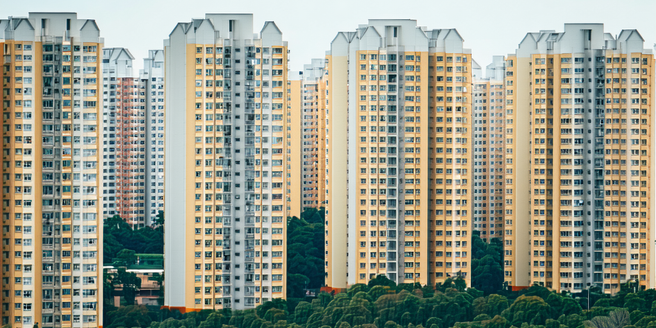
Understanding the Affordable Housing Market
The affordable housing market is characterized by a variety of factors that affect its accessibility and availability. Understanding these elements involves examining economic forces, government policies, and demographic shifts. Economic factors include income levels and employment rates, while government policies can encompass tax incentives, zoning regulations, and subsidies that aim to increase the availability of affordable homes. Demographic changes, such as urbanization and population growth, also play a crucial role in shaping the market. Community organizations and public-private partnerships frequently contribute to solutions by advocating for policy changes and building new developments. Analyzing regional differences is essential, as housing markets can vary significantly across locations. Ultimately, understanding this multifaceted market is foundational for tackling the complex issue of affordable housing shortage and finding innovative solutions that meet community needs.
Creative Solutions for Budget-Friendly Living Spaces
Creative solutions are essential for developing budget-friendly living spaces that meet today’s cost-conscious demands. A successful approach combines innovation in design, functionality, and resource utilization. Convertible furniture and multipurpose rooms are key elements, offering flexibility and maximizing small spaces. Innovative storage solutions and minimalistic design principles help maintain a sense of openness without sacrificing utility. Embracing DIY projects and upcycling materials can also significantly reduce costs. Shared amenities in apartment complexes or community spaces can offer luxury at a fraction of the price. Additionally, integrating sustainable practices, such as utilizing energy-efficient appliances and eco-friendly materials, not only curtails long-term expenses but also appeals to environmentally aware residents. Through such creativity and strategic planning, affordable living spaces can be both practical and appealing, providing comfort without exceeding financial limitations.
Exploring Tiny Homes and Their Cost Benefits
Tiny homes have gained popularity as an affordable and sustainable housing option. Offering a simplified lifestyle, these compact dwellings maximize their limited space through efficient design and modern amenities. With a typical size ranging from 100 to 400 square feet, tiny homes are significantly cheaper to build and maintain compared to traditional homes. Besides lower initial costs, they also demand less energy, leading to reduced utility bills. Tiny homes offer flexibility in terms of location and layout, making them an attractive choice for those seeking to downsize intentionally. Financing options for tiny homes are typically more accessible, with many opting for personal loans or pay-as-you-go strategies. As the housing market continues to evolve, tiny homes present a viable solution for those looking to minimize expenses and reduce their ecological footprint while maintaining a comfortable and fulfilling living environment.
The Rise of Co-Living Spaces: A Cost-Effective Trend
Co-living spaces have emerged as an innovative response to the increasing demand for affordable housing, especially in urban centers. This concept revolves around sharing living spaces, which lowers the cost per individual by distributing rent and utility expenses among several tenants. With co-living, residents often enjoy communal areas such as kitchens, lounges, and workspaces, all while maintaining private bedrooms. This trend is particularly appealing to millennials and gen-z, who value community engagement and flexibility. Beyond economic benefits, co-living fosters a sense of community, combatting urban loneliness by encouraging social interaction. Operators often include amenities like cleaning services and Wi-Fi, streamlining expenses and convenience for residents. As housing affordability continues to challenge urban dwellers, co-living spaces offer a pragmatic solution by blending affordability with lifestyle priorities.
How to Finance Your Inexpensive Home Purchase
Financing an inexpensive home purchase involves exploring various traditional and alternative avenues. Securing a mortgage with favorable terms is often the first step; however, it requires a good credit score and down payment. Government-backed loans, such as FHA or USDA loans, offer attractive options for those who qualify, providing lower interest rates and down payments. Additionally, researching grants or assistance programs from local governments can offer financial support. Alternative financing options such as seller financing, rent-to-own agreements, or investing with a small group of partners can provide flexibility. It’s essential to consider hidden costs like inspections, closing fees, and insurance while budgeting for your purchase. By analyzing all options and understanding the financial landscape, prospective homeowners can strategically plan their investment, ensuring affordability and long-term financial stability in their home ownership journey.
Sustainable and Affordable Housing Materials
Sustainable and affordable housing materials are transforming the construction landscape by balancing cost-effectiveness with environmental responsibility. Materials such as reclaimed wood, recycled steel, and bamboo are becoming popular due to their durability and eco-friendliness. Insulated concrete forms (ICFs) and structural insulated panels (SIPs) provide energy efficiency, reducing heating and cooling costs significantly. Innovative materials like hempcrete or mycelium-based composites offer sustainable alternatives with efficient thermal properties. Sourcing materials locally supports the regional economy and cuts down on transportation emissions, further enhancing sustainability. Choosing materials that require minimal maintenance and have long life spans can substantially lower long-term costs. Through these practices, homeowners and builders can construct housing that meets budgetary constraints while addressing ecological concerns, paving the way for an environmentally responsible and economically viable future in the housing industry.