Free Home Security Tips
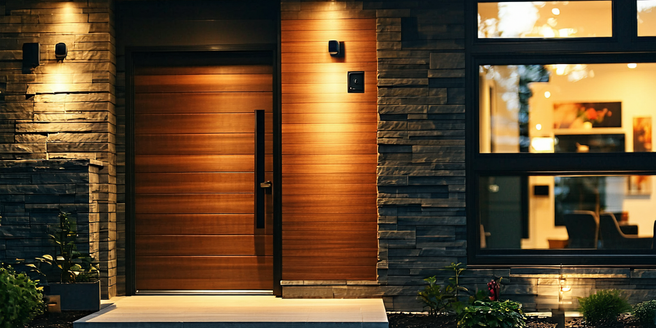
Understanding the Basics of Home Security
Home security encompasses various measures and technologies designed to protect your residence from intrusions and thefts. Establishing a robust security foundation starts with understanding key elements like securing entry points, such as doors and windows, with high-quality locks. Equally vital is employing habits that make your home less attractive to burglars, such as ensuring your home is well-lit at night and keeping valuables out of sight. Be mindful of social media usage, as sharing vacation plans can signal an empty house to potential intruders. Consider implementing basics like security signage that deters potential threats, even if you don’t have an alarm system. Knowing your neighbors and creating community awareness can also act as an additional layer of protection. The ultimate goal is comprehensive safety, which can be further enhanced by integrating modern technologies as needed.
Choosing the Right Security Systems
When evaluating home security systems, consider your specific needs and lifestyle. Begin by determining whether you prefer a wired or wireless system. Wireless systems offer flexibility and are generally easier to install, while wired systems may provide more reliability in terms of connection stability. Investigate monitoring options, such as professional monitoring services that actively alert authorities or self-monitoring, where you’re notified directly via smartphone apps. Assess feature sets like motion detectors, security cameras, and smart home integration to ensure they match your security goals. Some systems offer environmental sensors for fire or water damage, providing added peace of mind. Reviews and recommendations can provide insights into product reliability and customer service quality. Finding the right balance between functionality and affordability is crucial in selecting a system that adequately protects your home.
Effective DIY Security Solutions
Creating an effective DIY home security plan involves assessing vulnerabilities and using cost-effective tools to mitigate potential risks. Start by upgrading basic locks on doors and windows with reinforced versions that can’t be easily tampered with. Use window bars and deadbolt locks for extra security. DIY alarm systems can also serve as efficient deterrents; choose models that are simple to set up and offer smartphone connectivity for real-time alerts. Installing surveillance cameras, even if just dummies, can deter intruders by their presence alone. Consider affordable lighting solutions, such as motion-sensor lights, to illuminate walkways and entry points, discouraging shady activities. Lastly, personalizing your DIY system with features tailored to your habits and home layout strengthens your unique security posture, ensuring a safe and secure environment.
Enhancing Security Through Landscaping
Landscaping can greatly contribute to your home’s security by incorporating certain elements that deter intruders. Consider planting thorny bushes under windows to make access difficult and uncomfortable. Trim trees and shrubs regularly to eliminate hiding spots for potential burglars, ensuring a clear line of sight around your premise. Utilize motion-sensitive lighting embedded within your garden to illuminate dark areas when movement is detected. Strategically placed gravel paths create noise that alerts you of someone’s presence. Similarly, installing a clear perimeter with fencing and gates not only defines boundaries but also acts as physical deterrents to unauthorized entry. Taking these measures will transform your landscape into a critical component of your home security strategy, offering both aesthetic appeal and enhanced protection.
Community Efforts to Improve Neighborhood Safety
Strengthening neighborhood safety is a collective responsibility that can yield substantial benefits. Building a personal rapport between neighbors fosters trust and encourages vigilance, creating a network of watchful eyes that can rapidly identify suspicious activities. Participating in community watch programs reinforces this synergy by establishing organized communication channels. Sharing information regarding recent incidents and safety tips keeps everyone informed and engaged. Regular community meetings help address concerns, foster collaboration, and promote a culture of safety. Consider organizing community-wide events such as clean-up drives and block parties to enhance cohesiveness. Advocacy for local government support in installing surveillance infrastructure like public cameras and improved street lighting further elevates security levels. Together, these collective efforts serve to construct a safer, more secure neighborhood environment for all residents.