Luxury Apartments And Rent Inflation
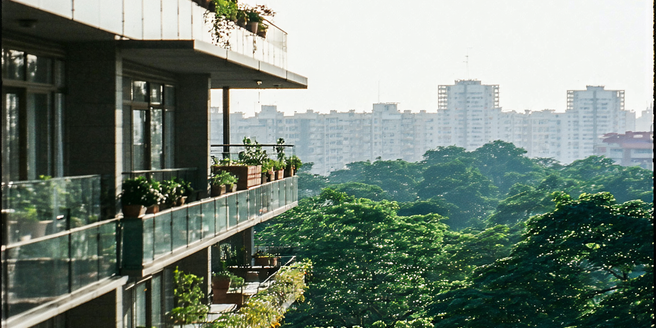
The Rise of Rent in Urban Areas
Urban areas are experiencing a significant rise in rent prices, driven by a combination of demand and limited supply. As cities become increasingly attractive to both professionals and businesses, the demand for housing grows. This surge is further fueled by the influx of people seeking employment opportunities, leading to higher competition for available rental units. At the same time, the slow pace of new construction fails to meet this escalating demand, exacerbating the situation. The scarcity of affordable housing options results in tenants facing substantial rent hikes, pushing many to the fringes of urban locales or into financial strain. This upward trend in rent is not only reshaping the landscape of city living but also altering demographic patterns within urban centers.
Factors Driving Up Apartment Costs
Multiple factors contribute to the rising costs of apartments, including supply and demand dynamics, inflation, and policy changes. On the demand side, population growth and migration to urban areas increase the need for housing. Meanwhile, supply struggles to keep pace due to regulatory hurdles and construction delays. Inflation also plays a role, as it affects construction costs, property taxes, and maintenance expenses, all of which are passed on to tenants in the form of higher rents. Additionally, interest rates impact the financing of new developments, influencing the availability and cost of housing. These combined forces create a challenging environment for renters, who face escalating prices in both new and existing apartment markets.
Comparing Luxury to Standard Rentals
Luxury apartments present a distinct contrast to standard rentals, offering unique amenities and upscale living experiences that justify their high price tags. These residences typically boast premium finishes, state-of-the-art facilities, and exclusive community features such as concierge services, rooftop pools, and fitness centers. In contrast, standard rentals focus on functionality and affordability, providing essential living spaces without the added bells and whistles. The gap in pricing between luxury and standard apartments reflects the investment in quality and status-conscious preferences of renters seeking an enhanced lifestyle. While luxury rentals cater to a niche market willing to pay for exclusivity, standard rentals remain essential for accommodating the broader population who prioritize cost over opulence.
Consequences for Urban Lifestyle Seekers
The rise in luxury apartment developments has far-reaching consequences for those seeking an urban lifestyle. As developers focus on high-profit luxury projects, the supply of affordable housing diminishes, leading to increased living costs for average city dwellers. This trend exacerbates socio-economic divides, as wealthier individuals occupy prime urban spaces, while others are pushed to less central areas or struggle to find suitable accommodations. These changes have sparked debates on the need for policies to support diverse urban communities. Additionally, the cultural diversity and vibrancy traditionally associated with urban living risk being diluted as neighborhoods evolve to cater to affluent demographics. For urban lifestyle seekers, these shifts necessitate balancing location preferences against financial realities, potentially redefining what it means to live in the heart of a city.
Future Trends in the Luxury Rental Market
The luxury rental market is poised to evolve with several emerging trends shaping its future landscape. As technology continues to advance, smart home features and sustainability initiatives are becoming more integral to luxury living. Tenants increasingly seek residences that offer energy efficiency and enhanced digital capabilities, seamlessly integrating convenience with eco-conscious practices. Furthermore, the demand for flexible living arrangements, such as short-term leases and fully furnished apartments, is expected to rise, catering to a more transient and globalized workforce. Developers and property managers will likely focus on creating personalized amenities and services, enhancing tenant experience to differentiate their offerings in a competitive market. These trends suggest a continued emphasis on customization and adaptability in the luxury rental sector.