Understanding Rental Market Trends
Analyzing Current Supply and Demand Dynamics
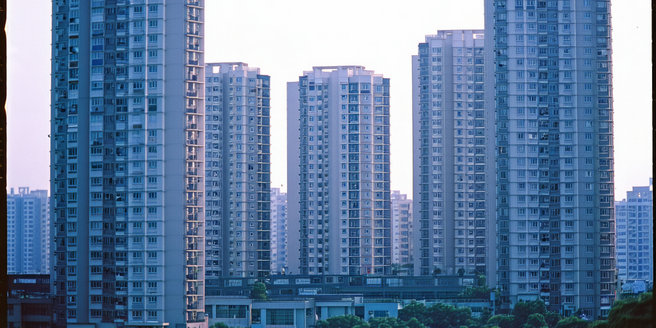
The rental market is intricately balanced between supply and demand. As urban areas expand and attract diverse populations, the demand for housing surges. However, supply often lags due to construction timelines and regulatory challenges. Analyzing these dynamics involves observing the rent-price elasticity and vacancy rates. A high demand with limited supply often leads to increased rental prices and decreased vacancy rates, enticing investors to boost supply, albeit with a delay. Conversely, an oversupply situation results in stagnant or reduced prices to attract tenants. By understanding these trends, stakeholders can make informed decisions that align with market conditions.
The Impact of Economic Factors on Rentals
Economic factors such as interest rates, inflation, and employment levels significantly influence rental markets. Lower interest rates make purchasing homes more affordable, potentially reducing rental demand. However, during inflationary periods, construction costs rise, impacting rental supply. Employment levels directly affect tenants’ ability to pay rent, influencing landlords’ pricing strategies. As a result, landlords may adjust their expectations to align with current market conditions. During economic booms, rental prices may increase as disposable income rises. Conversely, economic downturns can lead to a slowdown in rental price growth or even declines as demand weakens. Understanding these factors is vital for predicting market shifts and making strategic investment decisions.
Shifts in Tenant Preferences and Expectations
Tenant preferences are evolving, driven by lifestyle changes and technology. Modern renters prioritize amenities like high-speed internet, energy efficiency, and flexible spaces suitable for remote work. As a result, landlords must continuously update their offerings to meet these emerging demands. Health-conscious tenants seek properties with green spaces and wellness features. These shifts necessitate landlords to adapt to remain competitive. Moreover, tenants now expect efficient property management through online services and quick response times for maintenance. By aligning properties with these trends, landlords can enhance tenant satisfaction and loyalty, thereby reducing vacancy rates and ensuring steady rental income streams.
Emerging Technologies Transforming the Rental Sector
Technology is revolutionizing the rental sector, from virtual tours to automated property management. Platforms utilizing AI and big data analytics offer landlords insights into market trends and tenant behaviors, optimizing pricing strategies. In fact, these technologies can significantly reduce the time and effort required to manage properties effectively. Smart home features enhance tenant comfort, with devices like smart locks and thermostats becoming standard expectations. Blockchain technology promises transparency in transactions, reducing fraud risks. Additionally, property management software streamlines operations, ensuring efficient communication and maintenance tracking. Embracing these technological advancements is crucial for landlords to stay competitive and meet modern tenants’ expectations.
Regional Variations in Rental Price Trends
Rental prices can vary significantly across regions due to factors like population growth, economic conditions, and local policies. Urban centers typically see higher rents driven by demand for proximity to jobs and amenities. In addition to these elements, shifting preferences for remote work can also impact rental demand in various areas. In contrast, suburban and rural areas may offer more affordable options but are influenced by commuting challenges and infrastructure. Coastal regions might experience price volatility due to tourism and environmental concerns. Understanding these regional differences allows investors to tailor their strategies, considering both macroeconomic trends and localized factors that impact rental incomes.
Future Predictions for the Rental Market Landscape
Looking ahead, the rental market is poised for transformation influenced by demographic changes, technological advancements, and economic shifts. Urbanization and population growth will continue to drive demand, while generational shifts see younger populations prioritizing flexibility in living arrangements. Technology will play an increasingly significant role in shaping tenant experiences and operational efficiencies. Additionally, the increasing prevalence of remote work is altering traditional housing needs and preferences. However, economic challenges such as recession risks and affordability concerns pose potential hurdles. Adapting to these evolving elements will be crucial for stakeholders aiming to capitalize on market opportunities and mitigate potential risks in the dynamic rental landscape.