Perennial Plants Landscaping
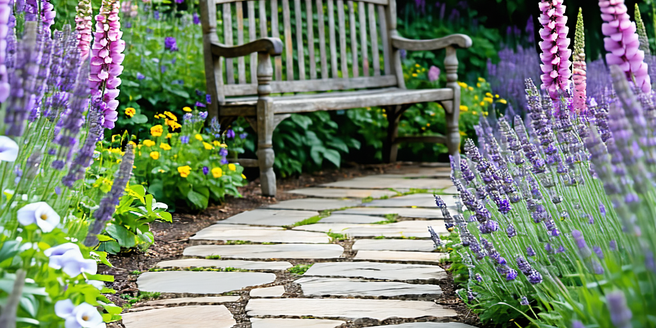
Understanding Perennial Plants
Perennial plants are those that return year after year with new growth and blooms. Unlike annuals, which complete their life cycle in a single season, perennials can last for several years, making them a sustainable choice for landscaping. They are available in a wide variety of species, each with its unique characteristics, such as bloom time, color, and height. Understanding the growth habits and environmental needs of perennials is crucial for a successful garden. Planting perennials can reduce the need for replanting each year, and they often require less maintenance once established. Recognizing their natural cycle, from dormancy to flowering, helps in planning garden activities, including pruning and fertilization.
Benefits of Using Perennials in Landscaping
Using perennials in landscaping offers many advantages, including year-round garden interest and sustainability. Perennials often have deep root systems that improve soil structure, reduce erosion, and increase drought tolerance, leading to less frequent watering. They provide habitats and food sources for wildlife, enhancing biodiversity. By enriching the garden environment, perennials contribute to a healthier ecosystem. Their longevity means reduced costs and labor over time, as they do not need to be replanted annually. With careful selection, perennials can offer a succession of blooms from spring to fall. This natural beauty minimizes the need for artificial fertilizers and pesticides, promoting an eco-friendly approach to gardening.
Choosing the Right Perennials for Your Climate
Selecting the right perennials for your climate is crucial for a thriving garden. Consider the USDA Hardiness Zone to determine which plants can survive your area’s temperature ranges. Choose perennials that match your region’s average rainfall and soil type, ensuring they receive adequate moisture and nutrients. For example, drought-tolerant perennials are ideal for arid climates, while shade-loving varieties thrive in cooler areas. Look for native perennials, as they are naturally adapted to local conditions and require less maintenance. Planning for seasonal changes, like hot summers or cold winters, will help you create a resilient and colorful garden.
Designing a Perennial-Friendly Landscape
Designing a perennial-friendly landscape involves strategic planning to highlight each plant’s features and maximize visual appeal. Start by considering the mature size of perennials to avoid overcrowding, ensuring plants have enough space to grow. Group perennials with similar water and light requirements together for easier maintenance. Use color, texture, and form to create eye-catching designs, incorporating a mix of heights and bloom times for continuous interest. Consider layering plants, with taller perennials at the back and shorter ones at the front, to enhance depth and perspective. Paths or borders can help define spaces and make maintenance tasks more accessible.
Maintaining Your Perennial Garden
Proper maintenance of a perennial garden ensures its beauty and health over the years. Regular deadheading, which involves removing spent flowers, encourages continuous blooming and prevents self-seeding. Prune perennials at appropriate times based on their blooming schedules; some prefer pruning in late winter, while others need it after flowering. Mulching around perennials retains moisture and reduces weeds, while also providing essential nutrients as it breaks down. Monitor for pests and diseases regularly, using eco-friendly solutions to manage any outbreaks. Dividing perennials every few years revitalizes the plants and promotes new growth. Consistent care enhances the vibrancy of your perennial garden.
Common Perennial Planting Mistakes to Avoid
Avoiding common mistakes can lead to a flourishing perennial garden. One frequent error is improper plant spacing, which can result in competition for resources and increased susceptibility to pests. Choose the right site for each perennial, considering their sun and shade preferences. Another mistake is neglecting soil preparation; ensure the soil is well-drained and rich in organic matter. Overwatering or underwatering can both harm perennial health, so understand the specific water needs of your plants. Avoid planting too deep or too shallow, as this can affect root development and stability. Finally, resist the impulse to over-fertilize, which can lead to excessive foliage growth at the expense of blooms.