Low-cost Moving Tips
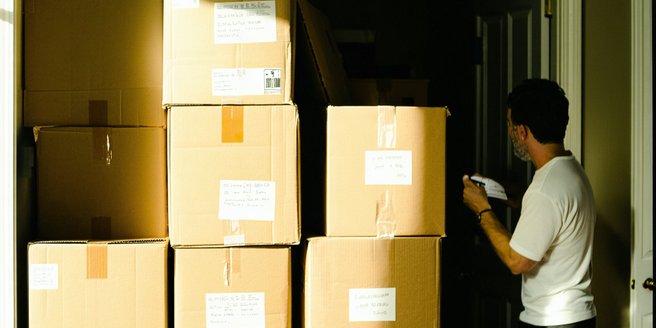
Planning Your Move on a Budget
Start by creating a comprehensive moving budget to manage expenses effectively. List all potential costs, including packing materials, moving services, and transportation fees. Compare different options for moving services or enlist friends and family to assist, reducing labor costs. It’s crucial to stay organized and keep track of all receipts for potential reimbursements or tax deductions. Plan your move during the off-peak season to take advantage of lower rates and promotions. Declutter your home beforehand by selling or donating items, minimizing the volume of belongings to move. This will also reduce moving service charges based on weight or volume. Finally, notify utility companies and change your address in advance to avoid last-minute fees.
Finding Affordable Moving Supplies
Securing affordable moving supplies can significantly cut moving expenses. Start by collecting free boxes from local stores, or online community groups where people often give away gently used boxes. Utilize household items like suitcases and laundry baskets for packing. Consider joining online forums where members exchange moving tips and resources. Don’t forget to look out for any upcoming garage sales which can be a great opportunity to snag cheap or even free packing items. Purchase packing materials in bulk from warehouse stores for discounts. Repurpose old newspapers or linens as packing materials instead of buying bubble wrap. Check if friends or neighbors have leftover supplies from their recent moves. By creatively sourcing and reusing materials, you can keep costs low without compromising the safety of your items during transport.
Hiring Cost-Effective Moving Services
To hire cost-effective moving services, begin by soliciting quotes from various companies and comparing their offerings. Look for movers who provide package deals or hourly rates that fit your budget. Ensure they are reputable by reading reviews and checking for licensing and insurance. Consider smaller, local moving companies which might offer competitive prices compared to large national chains. You can also trim costs by scheduling your move on a weekday or during off-peak seasons. Packing your own belongings can also save money, as it reduces the time movers spend on the job. Don’t forget to ask friends or family for recommendations based on their personal experiences. Additionally, inquire about any additional fees so there are no surprises on moving day.
DIY Packing Strategies to Save Money
Embrace DIY packing strategies to cut down on moving costs. Start by gathering free or inexpensive packing materials, like boxes from local businesses or community groups. Pack efficiently by disassembling furniture where possible and using towels or clothing to cushion fragile items. Consider creating an inventory list to keep track of what’s inside each box. Make sure to set aside essential items you will need immediately upon arrival. Utilize online resources for tips on optimal packing techniques. Color-code boxes or label them clearly to streamline unpacking and avoid unnecessary confusion. Foster a DIY moving party with friends or family to expedite the process without hiring additional help. These strategies will keep your expenses low while also ensuring a smooth transition to your new home.
Tips for Reducing Moving Day Expenses
Minimize moving day expenses by employing strategic planning and resourcefulness. Secure a rental truck or van for a self-move instead of hiring a full-service moving company. Pack snacks, drinks, and meals ahead to avoid costly takeout. Borrow moving equipment, like dollies or straps, from friends instead of renting. Don’t forget to label your boxes clearly to make unpacking easier and more organized. Declutter your home before packing to reduce the volume of items that need to be moved. Coordinate with your utility providers to disconnect and reconnect services efficiently to avoid extra charges. Additionally, ensure that your new residence is ready for immediate occupancy, reducing the likelihood of hotel stays. A well-prepared plan can lead to significant savings on your overall moving budget.