Benefits Of Complimentary Smart Home Assessments
Understanding the Basics of Smart Home Systems
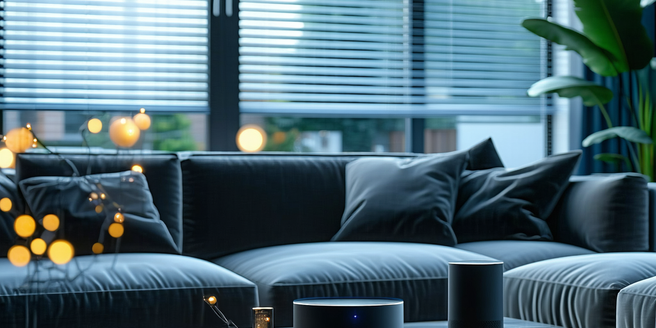
Smart home systems integrate various devices to enhance convenience, security, and energy efficiency. These systems use Internet of Things (IoT) technology to connect devices, allowing them to communicate and automate tasks. Common components include smart speakers, thermostats, lighting, and security cameras. Understanding how these devices interact is crucial for optimizing your home’s capabilities. The heart of any smart home is its hub, which serves as a central controller, ensuring all components sync seamlessly. As these systems evolve, users must stay informed about available technologies to maximize benefits. Compatibility and interoperability are crucial for creating a cohesive environment where devices function efficiently. Whether managing energy consumption or improving security, understanding the basics empowers homeowners to make informed decisions when expanding their smart ecosystems.
Identifying Personalized Smart Solutions for Your Home
Every home is unique, and identifying personalized smart solutions can significantly impact functionality and comfort. The first step is to assess your specific needs and lifestyle preferences. Do you prioritize security, energy efficiency, or convenience? Smart solutions vary from basic setups like automated lights to complex systems managing multiple aspects of daily life. Consider your home’s layout and existing technology infrastructure when deciding on additions. Integrative devices like smart thermostats or multi-room audio systems can enhance your living space’s adaptability. Consulting with experts can provide insights into customized options tailored to your household’s demands. These assessments help ensure compatibility between new and existing technologies while addressing any potential limitations. A well-rounded approach considers both immediate and future needs, ensuring a smart system that evolves with your lifestyle.
Enhancing Home Efficiency Through Smart Technologies
Smart technologies play a crucial role in enhancing home efficiency by automating various functions and optimizing resource usage. By integrating smart thermostats, you can achieve precise climate control, leading to significant energy savings. These devices learn your schedule and adjust temperatures accordingly, reducing unnecessary heating or cooling. Smart lighting systems offer another avenue for efficiency, allowing for automated schedules and remote control, thus minimizing energy wastage. Water usage can also be optimized with smart irrigation controllers that monitor weather conditions to prevent overwatering. Additionally, smart appliances, like energy-efficient washers and dryers, help reduce power consumption. Monitoring systems provide insights into usage patterns, enabling homeowners to make data-driven decisions for further improvements. By leveraging these technologies, not only do you ensure a more sustainable living environment, but you also enjoy convenience and cost savings.
Boosting Home Security with Complimentary Assessments
Complimentary smart home assessments offer an invaluable opportunity to bolster security measures within your household. By evaluating your current setup, professionals can identify vulnerabilities and suggest enhancements tailored to your property. Smart security begins with the integration of advanced cameras, motion detectors, and door locks that can be monitored remotely. These devices work together to deter potential threats and provide real-time alerts. Evaluations may suggest installing window sensors or security lighting for added protection. Another component is the establishment of a comprehensive home network that ensures all security devices communicate effectively. By addressing these areas, homeowners can significantly elevate their security standards, gaining peace of mind. Regular assessments not only enhance safety but can also lead to insurance benefits, as robust security systems often qualify for premium discounts.
Cost Savings and Energy Management Advantages
Implementing smart home technologies offers substantial cost savings and energy management advantages. Smart thermostats, for example, adjust heating and cooling based on your schedule, leading to significant reductions in energy bills. These devices not only control temperature but also provide insights into electricity usage patterns, aiding further savings. Smart lighting systems, with their ability to automate and dim lights, contribute to reducing energy consumption efficiently. Moreover, smart power strips can detect device inactivity, cutting off power to save energy. Beyond household operations, smart water systems can minimize wastage, lowering utility costs. By establishing a real-time monitoring system, homeowners gain a comprehensive view of their overall energy usage. These technologies together enable homeowners to make smarter, more eco-friendly decisions, paving the way for a sustainable future while significantly reducing expenses.
Preparing for the Future of Smart Home Integration
As smart home technology continues to evolve, preparing for future integration becomes essential for homeowners seeking to remain at the forefront of innovation. The first step involves investing in devices and systems with robust interoperability, ensuring seamless communication across different platforms. Staying informed about emerging technologies, such as advanced AI assistants or improved IoT interconnectivity, allows homeowners to anticipate future trends. Evaluating your current infrastructure’s scalability is crucial in planning for future add-ons without significant overhauls. Emphasizing cybersecurity is also important, as the increasing number of connected devices heightens vulnerability to cyber threats. Partnering with knowledgeable professionals can guide the optimization of your smart home ecosystem and prepare it for upcoming advancements. This proactive approach ensures your home’s adaptability, delivering both current benefits and readiness for future technological upgrades.