Budget Apartment Market
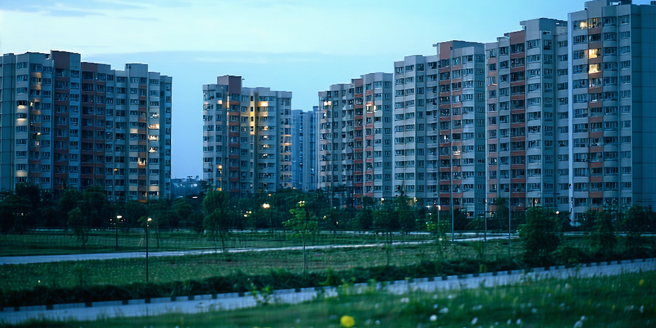
Understanding the Budget Apartment Market
The budget apartment market focuses on providing affordable housing solutions for low to middle-income families. This market segment is driven by the need to address housing shortages and ensure that everyone has access to a place they can call home. Budget apartments often balance moderate amenities with reasonable rent to attract a broad range of tenants. Understanding the dynamics of this market involves analyzing economic factors, regional housing policies, and the demographic profiles of potential tenants. Developers and policymakers frequently collaborate to create environments that cater to both affordability and livability, ensuring sustainable growth in urban and suburban areas. With the increasing population and urbanization trends, the demand for budget apartments is ever-growing, making it a critical area of focus for urban planners and real estate investors.
Key Factors Driving Budget Apartment Demand
Several factors drive the demand for budget apartments, including economic shifts, population growth, and changing housing preferences. Economic downturns lead to increased demand as people look to cut housing costs. Urbanization is another key driver as more people seek accommodation in cities. Additionally, lifestyle changes, such as the preference for renting over owning, have amplified the demand for budget apartments. Younger generations, in particular, often prioritize location and affordability, making budget apartments an attractive option. Moreover, government policies and incentives for affordable housing development can significantly boost supply, catering to this demand. Understanding these factors allows developers and investors to make informed decisions and strategically invest in areas with high demand, ensuring profitability while addressing the market’s needs.
Popular Locations for Budget Apartments
The popularity of certain locations for budget apartments often hinges on a few key elements, such as proximity to employment hubs, availability of public transportation, and a community’s overall affordability. Cities with burgeoning job markets and accessible public transit options tend to attract more budget-conscious renters. Suburban areas with good schools and lower crime rates also become popular as they offer value for money. Metropolitan areas like Atlanta, Dallas, and Phoenix have seen a rise in budget apartment complexes, reflecting growing demand fostered by employment opportunities and urban-plus-suburban living benefits. Additionally, states with strong pro-affordable housing legislation, such as California and New York, can see more developments catering to budget renters. These locations blend convenience, community, and cost-effectiveness, making them desirable for renters looking to maximize their living standards without exceeding their budgets.
Tips for Finding the Best Budget Apartments
Finding the best budget apartments involves a combination of diligent research, strategic planning, and negotiation skills. Start by setting a realistic budget and identifying areas that align with your needs for accessibility and amenities. Use online platforms and mobile apps to target listings specific to budget-friendly options. Networking with local rental communities can uncover potential leads and off-market listings. Visiting apartments in person allows you to assess living conditions and neighborhood infrastructure firsthand. Consider timing your search during off-peak rental seasons to avoid competition and have possibly better rent negotiations. Finally, communicating openly with landlords about budget constraints and exploring short-term lease options can lead to favorable arrangements. These carefully planned steps ensure that you secure an apartment that meets both your financial and lifestyle preferences without compromising on quality.
Challenges in the Budget Apartment Market
The budget apartment market faces several challenges that impact its growth and sustainability. Construction costs have been rising, making it harder for developers to offer affordable units while maintaining profitability. Zoning regulations and bureaucratic red tape often slow down the approval process, creating delays and cost overruns. There’s also the challenge of balancing quality and affordability, as reducing costs can sometimes compromise the standard of living spaces. Moreover, competition with luxury apartment developments can drive up land prices, making it less feasible for budget apartment projects. Tenant issues, such as high turnover rates, can further strain management resources. Addressing these challenges requires collaboration between government bodies, developers, and community advocates to implement policies and solutions that foster a more supportive environment for affordable housing development.
Future Trends in Affordable Housing
Looking forward, the affordable housing sector is expected to experience several key trends driven by technological advancements and policy changes. Innovations such as modular construction, 3D printing, and smart home technology are set to reduce costs and improve efficiency in building budget apartments. Increased emphasis on sustainable living can result in eco-friendly building designs and energy-efficient features becoming more common in affordable housing projects. Policy shifts towards incentivizing mixed-income communities may foster inclusive growth and diversified development. Technological solutions, like virtual leasing tools and online platforms, can streamline the renting process. Additionally, urban infill development, which maximizes the use of available space within cities, can play a crucial role in increasing budget apartment availability. These trends represent a promising future focused on accessibility, sustainability, and innovation within the housing market.