Affordable Home Staging Tips
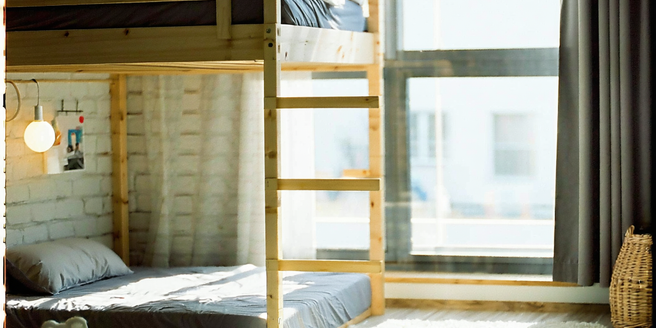
Maximizing Space with Minimalist Furniture
A minimalist approach to furniture is key to maximizing space. Opt for sleek, functional pieces that don’t overpower the room. A compact sofa or a simple coffee table can serve the same purpose as their more elaborate counterparts but with added space efficiency. Consider multipurpose furniture, like ottomans with storage or foldable tables. These provide functionality while keeping the clutter away. Choosing furniture with legs can also create a sense of openness. The minimalist style capitalizes on the essential elements and creates an airy atmosphere that can make even a small space feel expansive. Always prioritize quality over quantity, and remember, a few well-chosen pieces can have more impact than a room filled with decor.
Choosing Neutral Color Palettes for Broad Appeal
Neutral color palettes offer a versatile foundation for any room, ensuring a broad appeal to potential buyers. Shades like beige, gray, or soft whites create a calming ambiance and easily complement a variety of decor styles. These colors also allow natural light to reflect beautifully, enhancing the room’s brightness. By keeping the walls and larger furniture pieces in neutral tones, you provide a blank canvas for smaller accents and accessories. This strategy enables potential homeowners to envision their personal style within the space, making the home staging process more effective. Neutral colors also tend to be timeless, sparing future owners the hassle of frequent repainting.
Incorporating DIY Decor for a Personal Touch
Incorporating DIY decor brings a unique and personal touch to home staging without breaking the bank. Handmade pieces, such as a simple macramé wall hanging or a collection of painted pots, add character and authenticity. DIY projects can often be tailored to suit any decor style, providing a tailored approach to staging. Personalized touches like custom photo frames or handcrafted coasters can spark conversation and create an emotional connection with potential buyers. This approach not only showcases the home’s potential for personalization but also highlights creativity and resourcefulness, appealing to those looking to make a space their own.
Strategic Lighting to Enhance Ambiance
Strategic lighting can dramatically enhance the ambiance of a room, making it essential for successful home staging. Layered lighting, combining overhead, task, and accent lights, creates depth and dimension. Utilize floor and table lamps to provide a warm glow and highlight key areas. Consider installing dimmer switches to control light intensity, adapting the atmosphere to different times of the day. The right lighting can make spaces feel inviting and spacious, influencing a buyer’s perception positively. Focus on energy-efficient options like LED bulbs, which are environmentally friendly and reduce utility costs. Natural light should be maximized where possible, ensuring windows are clean and unobstructed.
Utilizing Natural Elements for Warmth
Natural elements add warmth and texture to any living space, making them ideal for home staging. Incorporate organic materials like wood, stone, and fabrics such as cotton or linen to create an inviting atmosphere. A wooden coffee table, a stone centerpiece, or linen curtains can soften a room’s look and appeal to environmentally conscious buyers. Plants are another excellent addition, as they bring life and vibrancy indoors. Choose low-maintenance varieties that enhance the aesthetics without adding burden. By integrating natural elements, you create a balanced environment that feels comfortable and livable for prospective homeowners.
Optimizing Layout for Flow and Functionality
Optimizing layout is crucial in staging a home that supports both flow and functionality. Start by removing any unnecessary furniture that may impede movement, creating a barrier-free path throughout each room. Arrange furniture to encourage conversation and social interaction, ensuring pieces are proportional to the room size. The flow of a space should feel natural, guiding visitors effortlessly from one area to the next. It’s essential to demonstrate how each room can be used effectively while showcasing the potential for adaptability. Strategic layout decisions can enhance the perceived value of a home, making it more appealing to prospective buyers looking for efficiency and livability.