Cost-saving Strategies For Apartment Renters
Understanding Your Rental Agreement
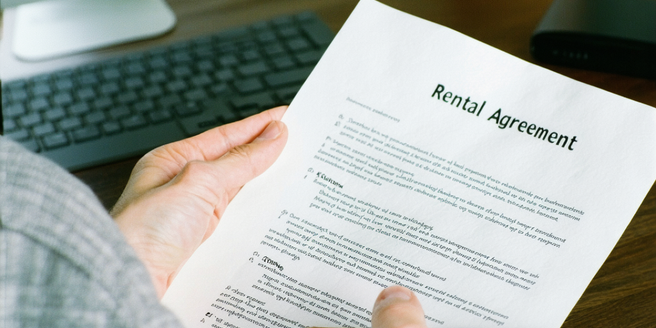
Understanding your rental agreement can significantly impact your finances as an apartment renter. Paris often describes rental contracts as complex documents full of legalese, but breaking down each section can reveal significant cost-saving opportunities. For instance, the lease may detail responsibilities for utilities, maintenance, and other expenses. Knowing whether these are included in your rent or charged separately can help you budget more effectively. Being aware of renewal terms and the penalties for early termination can save you money in the long run. Additionally, you may find clauses related to subletting or roommate arrangements, which could allow you to share or reduce living costs. Understanding these terms helps you communicate better with your landlord when negotiating future leases or clarifications about included amenities.
Maximizing Space to Reduce Costs
Maximizing space is an essential strategy for cost-saving in apartments where every square foot counts. Begin by decluttering to eliminate unnecessary items, creating an open and functional space. Use vertical storage solutions like wall-mounted shelves to save floor space and increase storage capacity. Multipurpose furniture such as sofa beds and fold-away tables can make a small area feel larger and more efficient. In addition, smart organization tools, like drawer dividers and hanging organizers, can help make the most out of limited closets and cabinets. Creative use of space under the bed or behind doors can further enhance storage options. Lastly, consider swapping furniture with friends or participating in local furniture exchanges to refresh your living space without incurring additional costs. An organized and efficiently designed apartment can lead to lower living expenses.
Efficient Energy Use in Apartments
Efficient energy use in apartments can substantially reduce your monthly bills. Start by investing in energy-efficient LED bulbs, which consume less power and last longer than traditional ones. Use smart power strips to prevent electronics from drawing energy when not in use. Additionally, ensure your windows and doors are sealed properly to prevent drafts, which can lead to higher heating and cooling costs. Use fans strategically instead of air conditioning during warmer months to decrease electricity usage. Adopt energy-saving habits like turning off lights when leaving a room and unplugging chargers when appliances are fully charged. Consider reaching out to your landlord to discuss energy-efficient upgrades or inquire about potential energy rebates for renters. Implementing these measures can lead to noticeable savings and contribute to more sustainable apartment living.
Smart Budgeting Tips for Renters
Smart budgeting is crucial for renters looking to manage expenses effectively. Begin by comparing rental prices in different neighborhoods to find the most affordable option within reasonable commuting distance. Set a monthly budget that includes rent, utilities, groceries, and unexpected expenses. Prioritize paying essential bills first and automate your savings to ensure consistent contributions to your financial goals. Use budgeting apps to track daily expenditures and identify areas where you can cut back, such as dining out or entertainment. Consider paying for internet and streaming services collectively with roommates to share costs. Shop at discount stores for home essentials and groceries to maximize savings. Regularly review your budget to adjust for lifestyle changes or salary increments. A well-structured budget is key to living comfortably within your means and achieving financial stability.
Leveraging Community Resources
Leveraging community resources can provide significant savings for apartment renters while enhancing your living experience. Begin by participating in local events, which are often low-cost or free, providing entertainment and networking opportunities. Many communities offer workshops or courses at local libraries or community centers, allowing you to learn new skills or hobbies without expensive classes. Engage with local buy-and-sell groups or swap meets to acquire household goods at reduced prices, or trade items you no longer need. Additionally, explore community gardening spaces if you enjoy fresh produce, as these can reduce your grocery bill while promoting sustainability. Staying informed about available resources can lead to unexpected cost-saving opportunities and foster a sense of community involvement, improving your overall quality of life as a renter.