Complimentary Artisan Craftsmanship
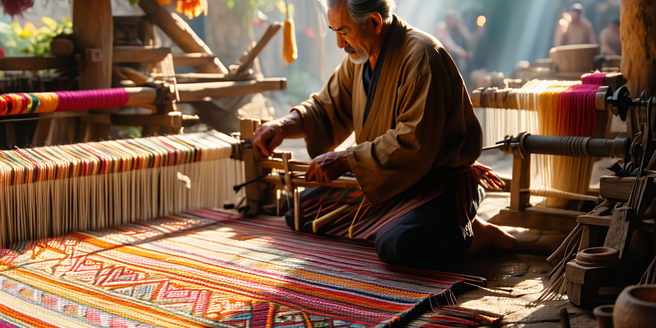
Exploring the Origins of Artisan Craftsmanship
Artisan craftsmanship traces its roots to ancient times, where skilled individuals mastered their trades, passing techniques through generations. The origins are deeply embedded in cultural traditions, with artisans often relying on locally sourced materials to produce functional and decorative items. The Renaissance era marked a significant evolution, highlighting the role of guilds and workshops in preserving and nurturing these skills. During this time, craftsmanship became a revered profession, reflecting the artistry and dedication of its practitioners. Handcrafted items, from pottery to textiles, not only met practical needs but also became symbols of identity and heritage. Technological advances and global trade introduced new challenges and opportunities, yet the core essence of craftsmanship remains a commitment to quality and creativity.
The Influence of Traditional Techniques
Traditional techniques form the backbone of artisan craftsmanship, imparting a sense of continuity and authentic value. These time-honored methods, honed over centuries, are revered for the unique touch they bring to crafted goods. Through workshops and apprenticeships, new generations of artisans are learning to appreciate and master these ancient skills. Techniques such as hand-spinning, embroidery, and wood carving underscore a deep respect for the material and process. They allow artisans to create with precision and bring a distinguished character to each piece. While modern innovations provide new tools, the fundamentals of traditional craftsmanship emphasize manual dexterity, patience, and a profound understanding of the craft itself, ensuring that the beauty of these traditions stands the test of time.
Modern Interpretations of Classic Crafts
Modern interpretations of classic crafts reflect a dynamic balance between tradition and innovation, where artisans draw inspiration from historical practices while embracing contemporary aesthetics. This fusion creates distinctive pieces that resonate with today’s audiences. By integrating modern materials and technologies, craftsmen can enhance functionality and expand creative possibilities. These interpretations challenge the perception of traditional crafts as static, instead showcasing their adaptability and relevance. As a result, the appreciation for these crafts has grown beyond local boundaries. With the aid of digital platforms, artisans can now share their creations with an even wider audience. Artisans are reimagining heritage designs with a modern twist, breathing new life into regional motifs and incorporating elements from diverse cultures, thus making classic crafts accessible and appealing to a global audience.
Sustainability and Ethical Practices in Craftsmanship
Sustainability and ethical practices are increasingly significant in artisan craftsmanship, driving a movement towards environmentally responsible production. Artisans are proactive in employing eco-friendly materials, minimizing waste, and reducing their carbon footprint. This shift is not just a trend but a necessary evolution in response to global environmental challenges. The integration of traditional techniques with modern innovation plays a crucial role in this transformation. Ethical practices extend to fair labor conditions and fostering transparent relationships with suppliers. By prioritizing sustainability, craftspeople contribute to both environmental preservation and social equity. These values resonate with conscientious consumers who seek products that align with their principles. Craftsmanship offers a sustainable alternative to mass-produced goods, highlighting the potential for a positive impact on both the planet and society.
Supporting Local Artisans and Their Communities
Supporting local artisans invigorates communities by preserving cultural heritage and promoting economic stability. Artisans often depend on traditional knowledge specific to their region, creating unique products that reflect their local identity. By choosing to buy handcrafted goods, consumers champion local expertise and enable artisans to thrive, ensuring these invaluable skills are not lost. This continued support helps to preserve the vibrancy of local traditions that have been passed down through generations. Community support networks, such as craft fairs and cooperatives, further empower artisans by providing platforms for visibility and sales. As consumers increasingly value authenticity, direct engagement with artisans fosters appreciation for their craftsmanship, enabling local communities to flourish within a globalized market.