Suburban Housing Alternatives
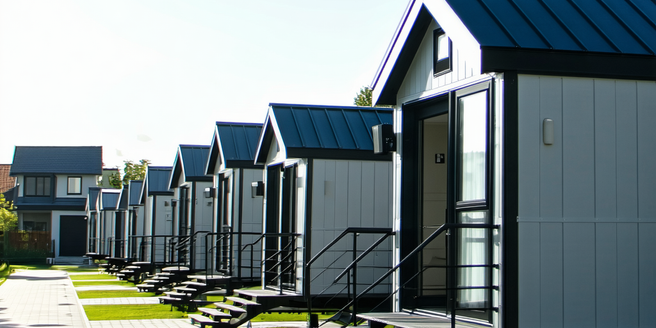
Exploring Tiny Homes: A Compact Living Solution
Tiny homes are becoming an attractive suburban housing alternative due to their affordability and simplicity. These compact living spaces offer a unique solution for those who want to reduce their environmental footprint while owning a home. With a focus on minimalism, tiny homes encourage the efficient use of space and resources. They are particularly appealing to individuals and small families seeking to downsize and live a more sustainable lifestyle. In suburban settings, tiny homes can be placed in smaller lots, maximizing land use and providing an affordable entry into homeownership. Their portability also adds flexibility, allowing homeowners to relocate with ease. By prioritizing quality over quantity, tiny homes are redefining the concept of home in suburban landscapes.
The Rise of Eco-Friendly Developments in Suburban Areas
As environmental concerns grow, eco-friendly developments in suburban areas are gaining popularity. These developments focus on sustainable building practices, energy efficiency, and preserving natural resources. Features such as solar panels, green roofs, and energy-efficient insulation are commonly integrated into these projects. Many developers are now prioritizing the use of locally sourced materials to further reduce environmental impact. Suburban eco-friendly housing is designed to have a low carbon footprint, offering residents the opportunity to live in harmony with nature while enjoying modern amenities. Additionally, these developments often include community gardens, green spaces, and sustainable transportation options. The rise of eco-friendly developments reflects a shift towards responsible living and indicates a growing interest in preserving the environment while still providing comfortable suburban living options.
Cohousing Communities: Collaborative Living in the Suburbs
Cohousing communities offer a collaborative, sustainable alternative in suburban living. These neighborhoods emphasize shared spaces and collective decision-making, which foster close-knit communities. Each resident has a private living unit, but communal areas—such as gardens, kitchens, and recreational facilities—encourage social interaction and resource sharing. The design of these spaces often includes both functional and aesthetic elements, creating inviting atmospheres for residents. This model attracts those looking for stronger community ties and a more connected lifestyle. Cohousing also supports sustainability through shared resources and efficient land use. By living in proximity and pooling resources, residents reduce their individual environmental impact while benefiting from economies of scale. As a suburban trend, cohousing provides a balance of independence and interdependence, appealing to families, singles, and seniors alike.
Repurposing Existing Structures for Housing
Repurposing existing structures offers a creative solution to urban housing demands and can be applied to suburban landscapes as well. Adapting buildings such as warehouses, offices, or schools into residential spaces keeps the architectural essence alive while meeting contemporary living needs. By utilizing existing structures, communities can reduce their carbon footprint significantly. This approach benefits the community by maintaining historical significance and reducing the need for new construction. Repurposed housing often results in unique living environments, where original features are preserved and incorporated into modern design. This method aligns with sustainable living by minimizing waste and making efficient use of existing resources. As communities look to expand housing options, repurposing offers an innovative and practical path forward.
The Future of Modular Homes in Suburban Spaces
Modular homes are increasingly being recognized as a viable option for suburban housing. Unlike traditional homes, modular homes are constructed off-site in controlled environments, allowing for consistent quality and reduced construction time. This method results in cost-effective housing options, which can be customized to fit individual tastes and lifestyles. Additionally, the swift construction process can significantly accelerate the availability of new homes in developing areas. In suburban settings, modular homes present an efficient way to address housing shortages and offer flexibility in community planning. Their potential for energy efficiency and sustainability makes them particularly appealing to those looking to reduce their environmental footprint. As the demand for diverse housing solutions grows, modular homes are poised to play a significant role in shaping the future of suburban development.