Cost-effective Landscaping Ideas
Low-Maintenance Plant Selection
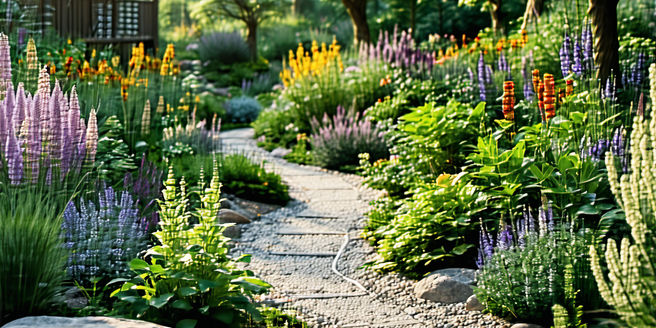
Choosing the right plants can make a significant difference in your landscape’s upkeep requirements. Opt for native species or drought-tolerant varieties that thrive in your region’s specific climate. These plants are adapted to local conditions, which means they require less water and care. Consider perennials that return each year without the need for replanting, and evergreens that offer year-round color and structure. Another option is to incorporate ornamental grasses, succulents, or ground covers like creeping thyme or sedum, which require minimal maintenance. By focusing on these low-maintenance selections, you’ll reduce the need for excessive watering, pruning, and fertilizing, ultimately saving time and money while still enjoying a vibrant, lush garden throughout the seasons. This approach not only benefits you but also supports local ecosystems and pollinators.
DIY Pathways and Walkways
Creating do-it-yourself pathways and walkways is an excellent way to enhance your landscape’s functionality and aesthetic without breaking the bank. Start by planning your design, considering function and form, as well as the flow of movement throughout the garden. Utilize affordable materials such as gravel, wood chips, or reclaimed stone slabs. Brick or paver mosaic designs can add character and charm to your garden paths. Choose materials that complement your home’s architecture and garden style. You can also use pebbles or stepping stones to create visually appealing, low-cost walkways. The installation process is relatively straightforward: clear the area, lay down landscape fabric to prevent weeds, and set the chosen material on top. DIY pathways are a rewarding project and provide personal satisfaction and savings on professional landscaping services.
Utilizing Recycled Materials
Incorporating recycled materials into your landscape design is a sustainable and cost-effective way to create a unique outdoor space. Items such as old bricks, reclaimed wood, and even discarded concrete can be repurposed for garden edging, raised planter beds, or patio flooring. Consider using salvaged containers for planting, turning old tires into creative planters, or repurposing pallets into vertical gardening structures. Shopping at salvage yards or secondhand stores can yield unexpected treasures that add character to your garden without the high cost. Moreover, these practices reduce waste and minimize the environmental footprint of your landscaping efforts. By innovatively utilizing recycled materials, you craft a space that reflects personal creativity and resourcefulness while responsibly managing available resources.
Water-Saving Irrigation Techniques
Implementing water-saving irrigation techniques is vital for a sustainable and cost-effective landscape. Start with installing a drip irrigation system that delivers moisture directly to the plant’s root zone, minimizing evaporation and runoff. Alternatively, consider soaker hoses that consistently deliver water to larger areas. Adjust your irrigation schedule based on seasonal weather conditions to avoid overwatering. Use mulch to retain soil moisture and reduce the frequency of watering. Rain barrels can be an effective way to collect rainwater for garden use, reducing dependency on municipal water. Smart irrigation controllers are another great investment, using climate and weather data to optimize watering schedules efficiently. These strategies not only conserve water but also significantly reduce water bills and promote a healthier garden ecosystem by preventing over-saturation of plant roots.
Creating a Year-Round Garden Plan
A well-thought-out year-round garden plan ensures your landscape remains visually appealing and functional throughout the seasons. Begin by selecting a diverse range of plant species that bloom or display vibrant foliage at different times of the year, ensuring continuous color and interest. Incorporate evergreens, which provide reliable structure in the winter, and deciduous trees or shrubs with striking fall color. Plan for a mix of early spring bulbs, summer perennials, and autumn-flowering plants for continuous blooms. Consider the microclimates within your yard, using colder areas for hardy plants and sunnier spots for heat-loving varieties. Additionally, design your garden layout to accommodate seasonal events, like summer entertaining areas or winter bird feeding stations. A detailed plan adapts to each season’s changes, creating a dynamic, thriving landscape that offers beauty and enjoyment all year long.