Rent Crisis: Impact On Population Distribution
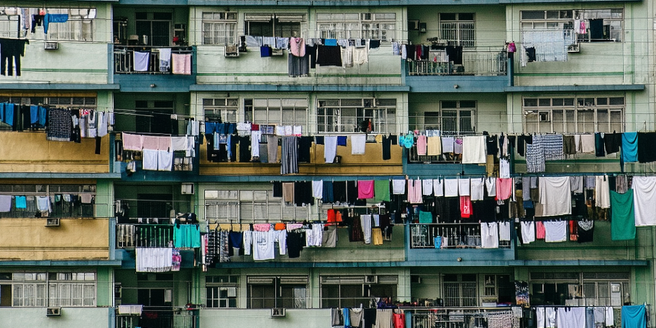
Historical Context and Rising Rent Trends
Throughout history, rent trends have been influenced by various economic, social, and political factors. In the past few decades, rapid urbanization and a growing demand for housing have driven rental prices upward. This is coupled with stagnating wages and the increasing cost of living, challenging renters globally. The financial crisis of 2008 significantly impacted the housing market, leaving lasting effects on rent trends. Post-crisis recovery was slow, resulting in a scarcity of affordable rental housing. In many cities, rent inflation outpaced income growth, creating a widening gap between what people earn and what they can afford. Understanding these historical factors provides context for current challenges and underscores the urgency to address the housing affordability crisis.
Shift in Urban to Suburban Living Patterns
The soaring rental prices in urban centers have pushed many individuals and families to reconsider their living arrangements, prompting a notable shift towards suburban locales. This migration is not solely economically motivated but also driven by the quest for a better quality of life. Suburban areas often offer more space, quieter environments, and, in some cases, better school systems. The pandemic further accelerated this trend as remote work became viable, freeing individuals from the necessity of living near their workplaces. Consequently, suburbs have experienced growth in population and infrastructure. However, this shift has also led to rising prices in these once-affordable locations, creating a spillover effect in housing costs and altering the demographic landscape.
Economic Consequences on Different Demographics
The rent crisis affects various demographic groups in distinct ways, often exacerbating existing inequalities. Low-income households face the most significant burden, allocating a larger portion of their income to rent, often at the expense of essentials like healthcare and education. Young adults, especially millennials and Gen Z, struggle to save for homeownership due to high rental costs, delaying traditional milestones like marriage or starting a family. Conversely, wealthier individuals and investors might exploit this crisis by acquiring properties as income-generating assets, further widening the economic divide. Seniors on fixed incomes also feel the strain, finding themselves priced out of communities they’ve lived in for decades. Addressing these disparities requires targeted policy interventions to ensure equitable economic opportunities for all.
Government Policies and Mitigation Efforts
Governments worldwide are grappling with the rent crisis, implementing varied policies designed to curb rising costs and increase housing affordability. Rent control measures aim to limit annual increases, offering tenants stability, though critics argue they may stifle new construction. Subsidies and tax incentives for developers to build affordable housing units are another approach, encouraging the creation of lower-cost living options. Additionally, housing assistance programs provide direct aid to vulnerable populations, helping them secure safe living spaces. Internationally, some cities have adopted innovative zoning laws and public housing initiatives to proactively address housing shortages. For meaningful progress, governments must balance encouraging market growth with protecting tenants, ensuring both immediate relief and long-term solutions.
Future Predictions and Implications on Society
As the rental crisis persists, its implications on society are profound and far-reaching. Urban areas might see shifts in demographics with wealthier individuals concentrated in city centers, while lower-income families are pushed to the peripheries, potentially leading to increased segregation. The growing demand for remote work-friendly communities might spur developments in previously underpopulated areas, altering local economies and infrastructures. Technological advancements, including the use of AI in real estate, could further transform the market, influencing pricing and availability. Policymakers must anticipate these changes and implement strategies that foster inclusivity and sustainability. The future of housing necessitates a collaborative effort between governments, private sectors, and communities to secure equitable living conditions and mitigate societal divides.