Budget Urban Housing
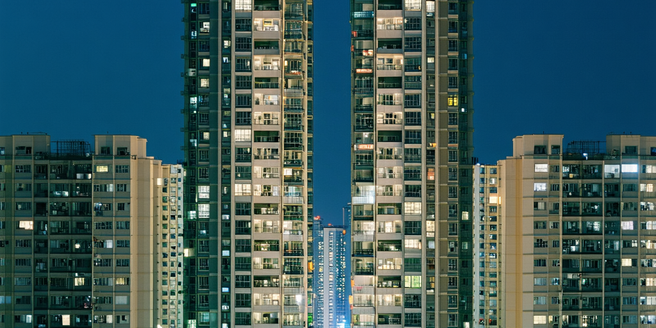
Understanding the Urban Housing Crisis
The urban housing crisis is a growing concern affecting cities worldwide. As urban populations increase, demand for housing exceeds supply, resulting in soaring prices and reduced affordability. Key factors contributing to this crisis include rapid urbanization, income inequality, and inadequate infrastructure development. Additionally, restrictive zoning laws and lack of investment in affordable housing exacerbate the issue, leaving many city dwellers in precarious living situations. The consequences of the housing crisis ripple through society, affecting economic stability, social equity, and quality of life. Innovative approaches, such as public-private partnerships, may offer viable pathways to address these challenges. Understanding the roots of this crisis is crucial for policymakers and stakeholders aiming to implement effective solutions that balance growth with affordability and sustainability.
Affordable Housing Solutions in Cities
To address the growing need for affordable housing, cities must adopt innovative and inclusive strategies. Collaborative efforts between government, private sectors, and communities can yield effective outcomes. Developing mixed-income housing projects, streamlining regulatory processes, and offering incentives for affordable housing developers are potential solutions. Expanding public transportation networks can also enhance access to housing by connecting underserved areas with economic opportunities. Furthermore, adaptive reuse of vacant buildings and promoting sustainable building practices can significantly contribute to the affordability agenda. Implementing rent control measures and providing housing vouchers are also strategies to protect lower-income residents from displacement. By creating comprehensive plans, cities can transform themselves into inclusive urban landscapes where affordability aligns with sustainable growth.
Innovative Design for Cost-effective Living
Innovative design plays a pivotal role in creating cost-effective urban housing solutions. By integrating smart design principles, developers can maximize space utility and reduce construction costs. Modular construction techniques can offer time and cost savings, enabling quicker project completion. One example of this is the use of pre-fabricated panels that can be assembled on-site with minimal labor. Utilizing sustainable materials that provide energy efficiency can lower long-term expenses for residents. Flexibility in layout designs allows for adaptable living spaces that can cater to different family sizes and needs. Emphasizing communal living spaces and shared amenities also reduces individual costs while fostering a sense of community. Such innovative approaches redefine urban living, making it affordable and sustainable.
Government Policies Supporting Urban Housing
Government policies are essential in fostering affordable urban housing development. Implementing effective land-use policies that encourage density can optimize available space for housing projects. Financial incentives such as tax credits, grants, and subsidized loans can stimulate investments in affordable housing. These investments are vital in areas facing significant housing shortages. Additionally, these incentives can spur innovation in sustainable building practices. Moreover, governments can partner with non-profit organizations to deliver social housing initiatives aimed at the most vulnerable populations. Enforcing regulations that support inclusionary zoning ensures that new developments allocate a portion of their units to affordable housing. Policy transparency and stakeholder engagement are crucial for developing housing strategies that are equitable and effective in addressing housing needs.
Case Studies of Budget-Friendly Housing Projects
Examining successful budget-friendly housing projects can offer valuable insights into effective strategies and designs. Projects that leverage partnerships between public and private sectors often achieve remarkable success by combining resources and expertise. For instance, some developments focus on high-density, low-rise buildings that utilize cost-effective materials while maintaining quality living standards. An essential component of these projects is community involvement, which fosters a sense of ownership and commitment among residents. Community-driven projects, where future residents are involved in the planning process, ensure that housing solutions meet local needs. Additionally, integrating green technologies has been shown to reduce operational costs and enhance sustainability. These case studies serve as blueprints, demonstrating how thoughtful planning and innovation can lead to affordable urban housing solutions.