Exploring Budget-friendly Neighborhoods
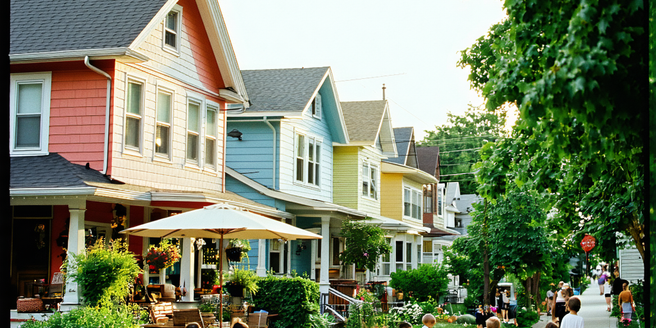
Understanding the Appeal of Budget-friendly Neighborhoods
Budget-friendly neighborhoods are attracting more attention as people seek to balance living costs with quality of life. These areas often offer affordable housing, making them appealing to first-time homebuyers, young families, and retirees. Public transportation and amenities like parks and local markets enhance their allure. A strong sense of community prevails, fostering neighborly connections and support. Many such neighborhoods are seeing revitalization efforts, improving local schools and infrastructure. Cultural diversity is another attraction, providing a rich tapestry of backgrounds and lifestyles. These neighborhoods often harbor small businesses and local eateries, contributing to a vibrant local economy. More than just a cost-saving measure, budget-friendly areas promise a fulfilling lifestyle, blending affordability with a genuine sense of belonging.
Key Factors to Consider When Choosing a Budget-friendly Area
When selecting a budget-friendly area, several factors come into play. First, assess the neighborhood’s proximity to essentials like grocery stores, healthcare facilities, and public transport. Safety should be a priority; research crime rates and community reviews. Consider the local schools if you have children or plan for the future. Look into city planning and development projects, as these can impact property value. Check homeowner association rules if buying into communities with them. The neighborhood’s growth potential is critical; some areas are ripe for gentrification, while others may stagnate. Job market trends in the vicinity can also affect long-term affordability. Lastly, visit at different times of the day to get a sense of the community’s day-to-day life. The blend of these factors will guide you to a wise decision.
Hidden Gems: Affordable Neighborhoods with Unique Charm
Affordable neighborhoods often hide gems with unique character that can’t be found in pricier areas. These areas sometimes retain historic architecture that tells stories of the past, offering an authentic living environment. Local culture is commonly celebrated through festivals and community events that bring residents together. Often, these neighborhoods house thriving art scenes with galleries and street art adding vibrant color to everyday life. Cafes and bookstores provide cozy meeting places, while diverse eateries cater to a variety of tastes. Such neighborhoods foster innovation, with residents who create community gardens and DIY projects enhancing communal spaces. The diversity often present leads to a blending of traditions, enriching the community fabric. Despite being budget-friendly, these hidden gems offer richness in experience that enhances the overall quality of living.
Tips for Evaluating Cost of Living in Potential Areas
When evaluating cost of living, thorough research is essential. Start by comparing housing costs, including rent and utilities. Don’t forget indirect expenses, such as commuting fees; consider the cost of maintaining a car versus public transit availability. Food costs can vary widely, so visit local groceries to compare prices. Review healthcare access and check for nearby clinics or hospitals. Investigate child care costs and school fees if applicable. Another vital element is taxation; inquire about property taxes and other local levies. Entertainment and fitness costs can sneak up; examine local gym memberships and leisure activities. Key is creating a comprehensive budget that includes potential lifestyle changes upon moving. Always factor in emergencies and savings, ensuring the overall affordability aligns with long-term financial goals.
Maximizing Value: Balancing Affordability and Quality of Life
Achieving the best balance between affordability and quality of life often involves strategic compromises. Look for neighborhoods offering good amenities—parks, libraries, and community centers can enrich daily life without high costs. Energy-efficient homes might require a higher upfront investment but reduce long-term expenses. Community involvement often improves quality of life, so choose areas with active neighborhood associations or volunteer opportunities. Establish a financial plan prioritizing important expenses while being mindful of leisure and social activities. Cutting unnecessary subscriptions while dining out less can further augment savings. Embrace sustainable living practices that reduce costs and boost lifestyle quality—think cycling to work or engaging in community-supported agriculture. Ultimately, it’s not just about spending less, but enhancing the impact of every dollar on your lifestyle and well-being.