Exploring Tiny Homes As Alternative Solutions
The Rise of the Tiny Home Movement
The tiny home movement has gained significant traction as a sustainable living solution. Originally emerging in the United States in the early 2000s, it has continued to expand globally. Advocates praise tiny homes for their adaptability and minimal environmental impact. With the demand for affordable housing increasing, many people see tiny homes as a practical alternative. They offer the ability to live with less while promoting a sense of community and increased mobility. Television shows, blogs, and online forums have popularized the concept, turning it from a niche trend into a mainstream discussion. As the cost of living rises, the movement’s appeal grows, offering individuals and families a chance for financial freedom and a lifestyle centered around personal values rather than material possessions. The rise of tiny homes now represents a shift toward intentional living.
Benefits of Downsizing to a Tiny Home
Downsizing to a tiny home provides numerous benefits beyond financial savings. One of the most compelling advantages is the simplicity and reduced mental clutter that comes with owning fewer possessions. Homeowners find more time for relationships and experiences, as upkeep and maintenance of a smaller living space require less effort. Environmental benefits also play a significant role, as tiny homes typically consume less energy and resources. The minimalist lifestyle encourages sustainable living practices, reducing one’s carbon footprint. Financially, tiny home owners often experience lower utility bills and no mortgage obligations, freeing up income for travel or hobbies. This lifestyle change emphasizes living intentionally, where quality of life is not measured by possessions, but by meaningful experiences. Embracing a tiny home can lead to a balanced life, focused on well-being and conscious consumer choices.
Top Design Features in Tiny Homes
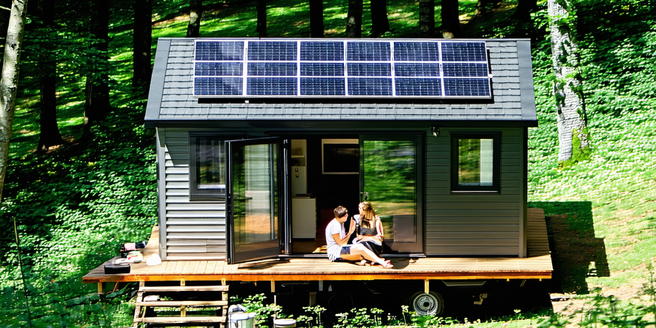
Designing a tiny home requires creativity to ensure functionality and comfort within a limited space. Space-saving solutions such as foldable furniture, hidden storage, and multipurpose rooms maximize every square foot. Innovative design features often include lofts for sleeping, transforming tables, and vertical gardens that add greenery without compromising space. The use of large windows and skylights is prevalent, allowing natural light to create the illusion of a larger area and promoting an open, airy feel. Tiny homes also integrate green technologies such as solar panels and composting toilets for sustainability. Customization is key, with designs tailored to meet individual needs, whether it’s a workspace, cozy reading nook, or outdoor deck. These features not only enhance livability but also ensure that each tiny home uniquely reflects its owner’s lifestyle and personality.
Financial Advantages of Tiny Living
Choosing tiny living comes with significant financial benefits that appeal to many looking to escape the burden of high housing costs. One of the most noticeable advantages is the reduced initial investment, as tiny homes are often far less expensive than traditional houses. Additionally, lower property taxes and utility costs contribute to long-term savings. Without a mortgage or with a minimal one, homeowners have the freedom to redirect funds toward other financial goals, such as travel or starting a business. This sense of economic liberation empowers individuals to pursue careers they are passionate about rather than working solely to meet housing expenses. Furthermore, tiny homes can be built on owned land or even on wheels, providing flexibility and reducing residency expenses. The financial freedom associated with tiny living supports a simpler, less stressed lifestyle.
Challenges Faced by Tiny Home Owners
While tiny home living offers many benefits, it also presents unique challenges. One major obstacle is navigating zoning laws and building codes that are often not designed with tiny homes in mind, leading to potential legal hurdles. Additionally, living in a small space requires significant lifestyle adjustments, such as decluttering and adapting to compact living arrangements. Storage can be a continual struggle, necessitating creative solutions to maximize space without sacrificing comfort. Social pressures and misconceptions about non-traditional living can also pose challenges, as not everyone understands the motivations behind choosing a tiny home. Moreover, requiring access to services like water and electricity can complicate the selection of an appropriate location for the home. Despite these challenges, tiny home owners often find that the rewards of simplicity and freedom outweigh the difficulties faced.
Regulations and Zoning for Tiny Homes
Regulations and zoning laws significantly influence the viability of tiny homes as a living option. Varying widely between municipalities, these laws often present a maze of challenges for prospective tiny home owners. In many areas, the lack of specific guidelines for tiny homes can lead to legal uncertainties. Zoning laws may restrict where tiny homes can be located, often limiting them to rural areas or designated tiny home communities. Building codes may require minimum sizes or specific amenities not practical for tiny spaces. Some regions are recognizing the benefits of tiny homes and are adapting their regulations, offering permits or creating tiny house-friendly zones. However, the evolution of these legal frameworks is slow, creating obstacles for those eager to embrace this lifestyle. Advocacy and awareness are crucial for promoting regulatory changes that accommodate the growing demand for tiny homes.