Affordable Home Sustainability Projects
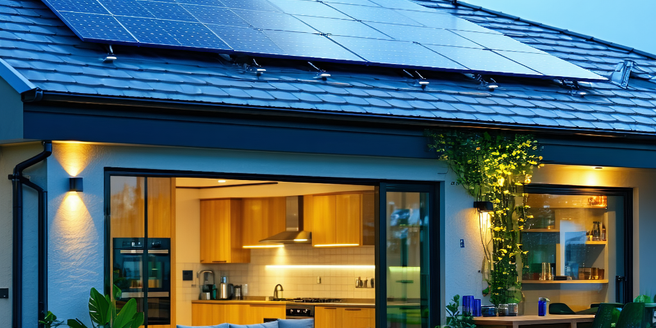
Understanding Home Sustainability
Home sustainability is about creating a living environment that reduces its impact on the natural world. It involves practices such as energy conservation, waste reduction, and the efficient use of resources. At its core, understanding home sustainability requires recognizing the balance between fulfilling our needs and protecting our planet’s ecosystems. By adopting sustainable practices, we can ensure our homes contribute positively to the environment, leading to healthier living conditions and reduced utility costs. Key considerations include energy-efficient appliances, renewable energy integration, and waste minimization. The aim is to establish a sustainable living space that not only supports personal well-being but also contributes to global ecological health. Conscious choices in building materials, water usage, and energy consumption pave the way for a sustainable future.
Budget-Friendly Energy Efficiency Tips
Embracing energy efficiency doesn’t have to break the bank. Start small by switching to LED lighting, which significantly reduces electricity consumption. Smart thermostats are another budget-friendly option, allowing for better control over heating and cooling, thus minimizing energy waste and lowering bills. Sealing drafts in windows and doors with weather strips is an inexpensive solution that can dramatically cut down on heat loss during colder months. Additionally, using energy-efficient appliances ensures the highest operational standards with the least energy consumption. Consider doing an energy audit to identify areas of improvement, often leading to reduced energy bills. These small, cost-effective steps can make a big difference in enhancing your home’s energy efficiency, proving that sustainability can be both economical and impactful.
Water Conservation Techniques for Every Home
Water conservation is vital for sustainable living and can be incorporated in every home with a few simple techniques. Installing low-flow fixtures, like showerheads and faucets, can substantially reduce water usage without sacrificing performance. Another effective method is collecting rainwater using barrels, which can then be used for gardening purposes. Additionally, fixing leaks promptly prevents significant water wastage. Consider upgrading to water-efficient appliances, such as washing machines and dishwashers, which are designed to use less water while maintaining efficiency. Mindful habits like turning off the tap while brushing teeth or taking shorter showers also contribute to conservation efforts. These techniques not only save water and reduce utility bills but also help build a sustainable future by preserving one of our most essential resources.
DIY Renewable Energy Solutions
Renewable energy options, traditionally seen as expensive, can be made cost-effective with DIY solutions. Installing solar panels is a primary method; however, small solar kits are available for less, allowing homeowners to power specific appliances or areas. For wind energy, mini wind turbines can be set up in backyards or rooftops to harness clean energy. Another option is creating DIY solar water heaters using basic materials. By leveraging renewable energy, households can significantly decrease reliance on conventional power and reduce their carbon footprint. Moreover, DIY projects not only provide clean energy but also engage homeowners in the sustainable energy movement. Exploring and implementing these accessible solutions can lead to energy independence and a greener home environment.
Eco-Friendly Home Insulation Ideas
Proper insulation is key to an energy-efficient home, and eco-friendly options are widely available for sustainable choices. Materials such as cellulose, made from recycled paper, and cork, a renewable resource, offer excellent thermal resistance. Sheep’s wool is another eco-friendly option with natural moisture control and fire resistance properties. Additionally, consider using rigid foam panels or recycled denim panels, which are effective for insulating walls and attics. Properly insulated homes require less energy for heating and cooling, resulting in lower energy bills and a reduced carbon footprint. By choosing sustainable materials for insulation, you not only enhance your home’s comfort but also contribute positively to environmental preservation. Such choices reflect a commitment to sustainability without compromising efficiency.
Sustainable Landscaping Projects
Transform your outdoor space with sustainable landscaping projects that enhance environmental health. Consider reducing lawn areas, which require significant water and maintenance, in favor of native plants that thrive with local conditions, reducing the need for chemical fertilizers and pesticides. Implementing rain gardens can help manage stormwater runoff, while composting organic waste provides natural fertilizer for your garden. Xeriscaping, which involves designing landscapes to reduce or eliminate the need for irrigation, is another effective strategy. Installing permeable pavers can improve water drainage and prevent erosion. By adopting these sustainable practices, you can create an outdoor space that supports biodiversity, conserves water, and reduces your environmental footprint, all while maintaining aesthetic appeal. Sustainable landscaping not only benefits the environment but also promotes a balanced, natural ecosystem in your backyard.