Finding Bargains In Foreclosure Markets
Understanding the Foreclosure Process
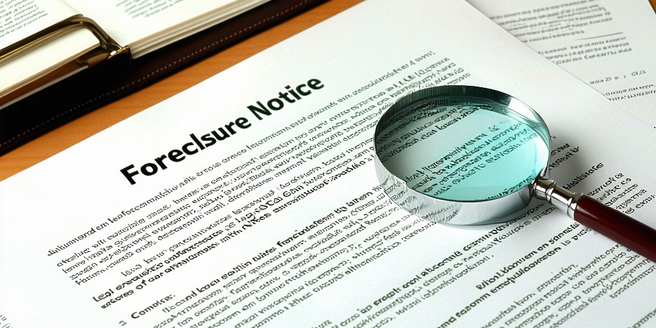
The foreclosure process begins when a homeowner falls behind on mortgage payments. Initially, lenders issue a notice of default, giving the homeowner a chance to catch up on payments. If no restitution is made, the property may go to a foreclosure auction. Understanding each stage can help buyers identify the best time to make an offer. Auctions can be competitive, so it’s crucial to have financing in place and understand the local market conditions. Additionally, seeking advice from real estate professionals can provide insights and guidance throughout the process. Foreclosure listings and public records are valuable resources for finding potential deals. By staying informed, prospective buyers can navigate the process more effectively, making informed decisions at each stage.
Legal Considerations and Risks Involved
Purchasing foreclosure properties involves several legal considerations and potential risks. Buyers must conduct thorough due diligence to uncover any liens or encumbrances on the property. Title searches can reveal legal issues that might require resolution before purchase. Understanding local laws and regulations is crucial, as foreclosure proceedings vary by state. Engaging with experienced real estate agents can provide valuable insights and help streamline the purchasing process. It’s advisable to consult with legal professionals to navigate these complexities. Moreover, foreclosure properties can present unique investment opportunities for those willing to take on the inherent challenges. Additionally, properties are often sold ‘as-is,’ which may include repair needs. Evaluating the property’s condition and potential rehabilitation costs is essential, and these factors should be accounted for in the purchasing decision.
Strategies for Identifying Potential Bargains
To find the best deals in foreclosure markets, a strategic approach is necessary. Start by researching neighborhoods with high foreclosure rates and track housing market trends to spot undervalued properties. Joining local community forums can also provide valuable local insights. Networking with real estate agents specializing in foreclosures can provide insights into upcoming listings. It’s important to have your financing and legal paperwork in order before making any moves. Attending local auctions offers opportunities to assess the competition and market demand. Utilize online platforms that aggregate foreclosure listings to broaden your search. Diligence and persistence are key; following these strategies can unveil hidden gems in the market. Evaluating potential resale value and renovation needs will further refine your selections.
Financing Options for Foreclosure Purchases
Securing financing for a foreclosure purchase can differ from traditional home buying. Obtaining a pre-approval letter from lenders can strengthen your position in auctions and negotiations. It’s crucial to research the local real estate market to better understand the potential for return on investment. Renovation loans, such as the FHA 203(k), are valuable if the property requires substantial repairs, allowing you to borrow funds based on the home’s post-renovation value. Hard money lenders offer short-term solutions for quick purchases, though they often have higher interest rates. Traditional mortgage options are available for less distressed properties. Explore each option, understand their costs and benefits, and choose the one that aligns with your investment goals.
Renovation Tips to Maximize Resale Value
Maximizing resale value in foreclosure properties requires smart renovations. Start by addressing structural issues and vital systems like plumbing and electricity, which ensure the property’s safety and functionality. Focus on cosmetic improvements that enhance curb appeal, such as landscaping and new paint. Kitchens and bathrooms often yield high returns on investment; consider modern, budget-friendly upgrades to these areas. Energy-efficient appliances can also attract eco-conscious buyers and add additional value. Conduct thorough market research to understand what local buyers are looking for in a property. It’s wise to balance improvements with neighborhood standards to avoid overcapitalizing. Keep renovation costs in line with expected resale values by prioritizing necessary repairs and improvements, ensuring a potential profit while attracting future buyers.