Budget-friendly Tiny Homes
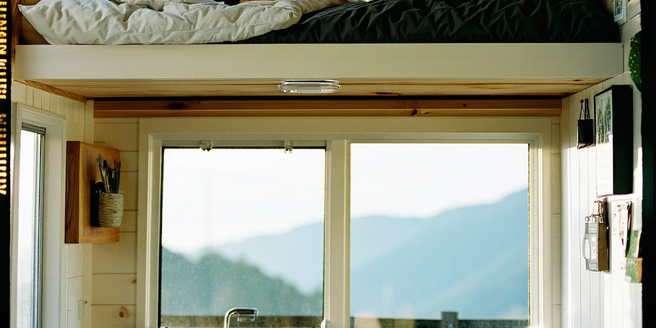
Understanding the Benefits of Tiny Homes
Tiny homes offer a multitude of benefits that make them an attractive option for a wide range of people. They provide an affordable alternative to traditional housing, with a lower upfront cost and reduced expenses on utilities and maintenance. The simplicity of tiny living promotes a minimalist lifestyle, encouraging individuals to prioritize experiences over material possessions. Despite the smaller space, many owners find a sense of freedom, both financially and in terms of mobility, as tiny homes are often movable. Additionally, with increasing environmental awareness, the reduced carbon footprint of tiny homes appeals to those striving for a sustainable lifestyle. Ultimately, tiny homes offer a unique opportunity to simplify life, reduce expenses, and, for many, live a more fulfilling life in a smaller, more efficient space.
Building or Buying: Finding Cost-Effective Options
When considering a tiny home, one must weigh the benefits of building versus buying. Building a tiny home can be a rewarding process, allowing owners to customize every detail to fit personal needs and preferences. However, it requires time, skill, and dedication. For those lacking building skills, hiring professionals or opting for a pre-designed kit can still offer a personalized touch without the need for hands-on work. On the other hand, purchasing a ready-made tiny home provides immediate comfort but potentially at a higher cost. Prospective owners should compare long-term maintenance and utility savings against initial purchase expenses. Assessing zoning laws and land costs also influences the decision. Ultimately, careful consideration and research into both options can lead to a financially smart investment that meets individual lifestyle needs.
Maximizing Space: Design Tips for Tiny Living
Maximizing space is key in tiny living, and clever design makes a significant impact. Start with a multifunctional layout to ensure every inch is utilized efficiently. Built-in furniture that doubles as storage, such as beds with drawers underneath or foldable tables, can conserve valuable space. Vertical storage solutions, like shelves reaching up to the ceiling, take advantage of headroom and keep surfaces clutter-free. Choose light-colored paints and ample lighting to create an open and airy feel, making small spaces appear larger. Mirrors strategically placed can also add depth. Integrating sliding doors or pocket doors can save usable space compared to traditional hinged options. Lastly, keeping the decor minimal yet cohesive prevents overwhelm and maintains a streamlined look, which is essential for creating a comfortable, functional tiny home.
Saving Money with Energy-Efficient Solutions
Energy efficiency in tiny homes is not only good for the environment but can lead to significant cost savings. Insulation is crucial; using high-quality materials can drastically reduce heating and cooling expenses. Solar panels are an attractive option for those wishing to cut electricity costs and foster renewable energy usage. Installing energy-efficient appliances, like low-flow water fixtures and LED lighting, can further reduce utility bills. Consider a rainwater collection system to decrease water expenses, especially if you’re off-grid. Proper ventilation ensures that heating and cooling systems work optimally, conserving energy. Programmable thermostats allow residents to temper the climate efficiently, adapting to occupancy needs. These innovations make tiny homes appealing for budget-conscious buyers and eco-conscious individuals alike, ensuring the home is cost-effective for years.
DIY Projects to Lower Your Tiny Home Costs
Taking on DIY projects can significantly reduce the cost of owning a tiny home while adding a personalized touch. Start with simple modifications such as constructing your own shelving or repurposing old furniture for new uses. Reclaimed materials, like wood from pallets or unused tiles, can save money and add character to your space. Those with more advanced skills might consider building partitions or installing flooring. Online tutorials and community workshops offer invaluable resources for learning. Not only do these projects reduce expenses, but they also increase the home’s value and create a deep sense of satisfaction. Moreover, involving family and friends in DIY projects can make the process enjoyable and help build a story within the home. Creative upcycling and hands-on effort ensure a cost-effective, unique tiny home.