Affordable Landscaping Ideas
The Benefits of Affordable Landscaping
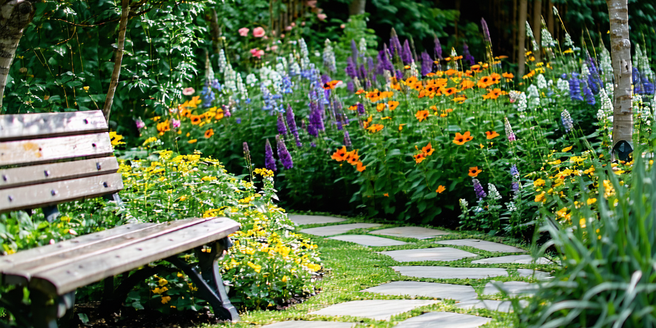
Affordable landscaping is not just about saving money; it is also about creating a sustainable and enjoyable outdoor environment. By opting for budget-friendly landscaping choices, you can reduce maintenance costs while enhancing the aesthetic appeal of your property. Affordable landscaping often involves using native plants, which are typically more resilient and require less water, contributing to a healthier ecosystem. Additionally, implementing simple design elements such as mulch or gravel can minimize ongoing expenses and support plant health. Affordable landscaping allows homeowners to achieve their dream garden without financial strain, promoting an atmosphere where nature thrives, and homeowners can find relaxation and joy.
Choosing Cost-Effective Plants for Your Garden
Selecting cost-effective plants for your garden involves choosing species that are both affordable and suited to your local climate. Native plants are an excellent starting point as they are adapted to the local soil and weather conditions, reducing the need for fertilizers and excessive watering. Perennials, which return year after year, are a cost-effective choice because they eliminate the need for frequent replanting. Consider drought-tolerant plants if you live in a dryer area to cut back on water costs. Keep in mind that healthier plants reduce long-term costs associated with care and upkeep, ensuring your garden remains vibrant and thriving without repeated investment.
DIY Hardscaping Projects on a Budget
Creating hardscaping features in your outdoor space doesn’t have to break the bank. With some creativity, you can undertake DIY hardscaping projects that enhance your landscape’s functionality and beauty on a tight budget. Start by repurposing materials you already have, like old bricks or stones, to create pathways or planters. Pallets can be used to build rustic outdoor seating, while gravel and sand can form affordable foundations for patios. These cost-effective solutions not only bring structure and style to your yard but also add value to your home. With a can-do attitude, you’ll find that many elements of hardscaping can be accomplished at a minimal expense.
Creative Ways to Use Recycled Materials
Incorporating recycled materials into your landscaping is an eco-friendly and cost-effective approach to enhancing your outdoor space. Start by using old bricks or broken concrete to form garden paths or edging. Consider searching local classifieds or community groups for free or low-cost materials that others are giving away. Wooden pallets can be transformed into vertical planters, seating, or garden bed borders. Glass bottles make creative garden edging or unique light-catching sculptures when embedded into the soil. Tires painted in bright colors become fun planters or garden seats. By creatively repurposing materials, you reduce waste and add personal touches to your garden, ensuring your outdoor space reflects both resourcefulness and character.
Low-Maintenance Lawn Alternatives
For those tired of the upkeep required by traditional lawns, seeking low-maintenance alternatives can save both time and resources. Consider replacing sections of grass with ground cover plants like clover or creeping thyme, which require less water and fertilizer. These alternatives can cope with foot traffic and provide lush greenery without the mowing duties. Ornamental grasses or native wildflower meadows are also excellent choices, creating a natural landscape that thrives with minimal maintenance. Additionally, artificial turf options have come a long way, providing a year-round green solution with zero watering or cutting involved, making lawn care easier than ever.
Maximizing Small Spaces with Vertical Gardens
Vertical gardens are an innovative way to maximize limited outdoor spaces, allowing anyone to enjoy the benefits of gardening, regardless of space constraints. By using walls and vertical structures, you can grow a variety of plants, from ornamental flowers to fruits and vegetables. This method is particularly advantageous in urban environments where ground space is scarce. Vertical gardens can be created with hanging planters, pocket planters, or even repurposed shelving units. This approach not only conserves space but also adds aesthetic appeal, creating living walls that purify the air and promote a sense of privacy and tranquility.