Cheap Housing Locations
Top Affordable Cities to Consider
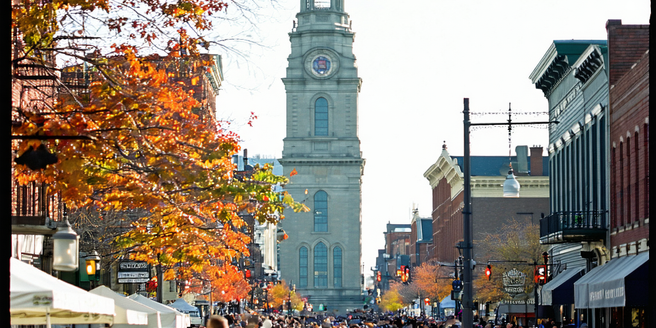
Finding affordable cities to settle in can greatly reduce living expenses. Cities like Buffalo, New York, and Louisville, Kentucky, offer affordable living with vibrant cultural scenes and abundant job opportunities. In these areas, housing costs are significantly lower than the national average, ensuring a cost-effective living experience. These cities also host a range of local festivals and events that cater to diverse interests. Furthermore, these cities boast friendly communities and local amenities, making them attractive options for people seeking a balance between urban living and affordability. Exploring such cities can reveal hidden benefits, like access to green spaces and historic sites, enhancing quality of life.
Hidden Gems for Budget Homebuyers
For homebuyers on a budget, certain locations stand out as hidden gems. These areas often go unnoticed but offer substantial advantages like lower property taxes and a slower pace of life. Locations such as Chattanooga, Tennessee, and Grand Rapids, Michigan, deserve a second look. Many residents find that these areas not only provide affordability but also maintain a high quality of life. With developments in the local economy and infrastructure, these cities provide affordable housing options for buyers looking to maximize their budget. They offer a unique chance to invest in properties that have the potential to appreciate over time, while also enjoying a rich, community-focused lifestyle.
Cost-Effective Rural Areas to Explore
Exploring rural areas for cost-effective housing can reveal impressive opportunities. Regions like Appalachian Mountains offer serene environments and affordable land, ideal for people seeking expansive properties. Low-cost rural areas often promise peaceful lifestyles, close-knit communities, and minimal traffic. Such locations often have rich cultural and historical backgrounds, adding to their charm and appeal. Prospective buyers can find charming, spacious homes for a fraction of urban prices, making them an attractive option for remote working professionals or retirees. These areas also provide unique recreational activities, such as hiking and fishing, allowing residents to unplug and enjoy a simpler, more relaxed lifestyle.
Suburban Retreats Under the Radar
Suburban areas often provide the perfect blend between city convenience and rural tranquility, especially those that go unnoticed. Many people are drawn to these hidden gems for their charm and potential. Suburbs of major cities like Minneapolis, Minnesota, and Columbus, Ohio, have become havens for those seeking affordable housing without sacrificing access to urban amenities. These retreats offer expansive parks, reputable schools, and welcoming neighborhoods with lower crime rates. The growth in infrastructure and local businesses ensures that, even on a budget, residents can enjoy a high standard of suburban living without the hefty price tag associated with larger metropolitan areas.
Tips for Finding Cheap Housing
Securing affordable housing requires strategic planning and resourceful approaches. Start by researching diverse locations, considering proximity to work and family. Utilize tools like online real estate platforms to compare market trends. Visiting neighborhoods at different times can also reveal essential insights about crime rates and community vibe. It’s important to set a clear budget and stick to it throughout the process. Engaging with local realtors familiar with the area will give you an edge in uncovering hidden deals. Additionally, consider fixer-uppers that can be renovated cost-effectively. Stepping out of comfort zones and evaluating alternative living arrangements, like cooperative housing, can also present unexpected, affordable solutions.
Future Trends in Budget Housing Markets
The housing landscape is continually evolving, driven by economic trends and lifestyle changes. Future prospects for budget housing markets are promising, with an anticipated rise in alternative housing solutions such as micro-apartments and co-living spaces. As urban areas continue to expand, demand for these innovative living arrangements is expected to grow. These options are gaining popularity among millennials and urban dwellers seeking flexibility and affordability. Additionally, the use of sustainable building materials and smart home technology will likely offer cost-saving benefits to budget-conscious homeowners. Keeping abreast of these trends can provide insights into investment opportunities and innovative solutions for affordable living in the coming years.