Cost-effective Pest Control Solutions
Understanding Common Pests and Their Impact
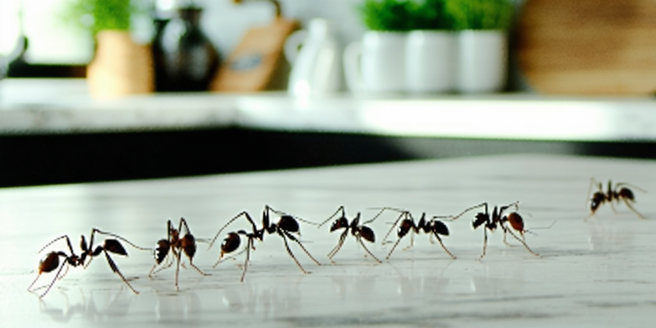
Pests such as ants, cockroaches, and rodents are more than just nuisances—they can significantly impact your health and home. Ants, often seen as harmless, can contaminate food sources, rendering them unsafe. Cockroaches, on the other hand, spread pathogens that can lead to diseases like salmonella. Furthermore, the presence of these pests can exacerbate allergies and asthma conditions in some individuals. Rodents are notorious for causing structural damage and carrying diseases. Understanding these pests and their behaviors is crucial for effective control. Knowing their habitats and breeding cycles can help in preemptive measures, potentially saving time and resources in the long run. By recognizing the signs of infestations early, homeowners can tackle the issue before it escalates, preventing damage and health risks.
Natural Remedies for Pest Prevention
Natural remedies have become a popular choice for those seeking effective pest control without the use of chemicals. Essential oils like peppermint and lavender are known for repelling ants and mosquitoes. Planting herbs such as basil and rosemary can deter flies and beetles. Furthermore, integrating these plants into your garden not only combats pests but also enhances the biodiversity of your outdoor spaces. Diatomaceous earth, a natural powder, is fatal to many crawling insects but safe for humans and pets. Vinegar is another versatile option that can deter a variety of pests. These remedies not only provide a safer alternative for homes with children and pets but also support an eco-friendly environment. By incorporating these methods, pests can be controlled naturally while maintaining the safety and sustainability of the home environment.
DIY Pest Control Techniques on a Budget
Maintaining a pest-free home doesn’t have to break the bank. Simple DIY techniques can be highly effective. Sealing entry points like cracks and crevices is an inexpensive way to keep pests out. Regular cleaning and proper food storage can prevent attracting rodents and insects. Conducting routine inspections can help catch any issues early. Homemade traps using common household items can also be utilized. For instance, using a mix of sugar and borax can effectively manage ant problems. Regular lawn maintenance and eliminating standing water can deter mosquitoes. By regularly monitoring for signs of pest activity and using these budget-friendly techniques, homeowners can maintain control over pest populations without the need for expensive professional services.
When to Seek Professional Help
While DIY methods can be effective, there are times when professional intervention is necessary. Persistent infestations despite repeated efforts signal the need for expert help. Structural damage caused by rodents or termites requires professional assessment and treatment to prevent further harm. In many cases, trying to handle such problems on your own can lead to unnecessary stress. Additionally, the financial cost of repeated failed attempts to eliminate pests can accumulate quickly. Health risks posed by pests such as venomous spiders or disease-carrying rodents also warrant a professional approach. Exterminators are equipped with specialized tools and knowledge to handle severe infestations safely and effectively. Knowing when to call in professionals can prevent minor issues from escalating into major problems, saving both time and money in the long term.
Maintaining a Pest-Free Home Year-Round
Consistency is key when it comes to maintaining a pest-free home throughout the year. Seasonal changes can bring new challenges, making regular inspections vital. Sealing entry points and maintaining cleanliness should be routine. Rotating natural deterrents, such as different essential oils or herbs, can prevent pest habituation. Furthermore, educating yourself about common pests in your area can provide insights into their habits and weaknesses. Regularly updating pest control tactics helps adapt to evolving pest behaviors and environmental changes. Consideration of environmental factors, such as humidity and temperature, can further enhance prevention strategies. By staying vigilant and proactive, homeowners can stay ahead of potential pest issues, ensuring a comfortable and safe living environment year-round.