Alternatives To Expensive Renting
Exploring Co-Living Spaces as a Cost-Effective Option
Co-living spaces are emerging as a budget-friendly alternative to traditional renting. These communal living arrangements allow individuals to share common areas such as kitchens and living rooms while maintaining private bedrooms. This setup not only helps in reducing rent but also fosters a sense of community among residents. Utilities, internet, and other amenities often come included, minimizing extra costs. By collaborating on household responsibilities, co-living can alleviate many of the stresses associated with maintaining a solo residence. Ideal for young professionals, students, or individuals seeking a vibrant social atmosphere, co-living enables an affordable lifestyle without sacrificing comfort or convenience. Additionally, flexible lease terms cater to those in transitional phases, making it a viable interim solution without the long-term commitment of traditional leases.
House Hacking: Turning Property into Profit
House hacking is an innovative approach for homeowners to offset living expenses and potentially generate income. The concept involves renting out a portion of your property, such as a spare room or basement apartment, to a tenant. This strategy not only helps in covering mortgage payments but also maximizes the utility of available space. By leveraging platforms like Airbnb or finding long-term tenants, homeowners can customize this method to suit their financial goals. New investors find this an attractive entry point into real estate, as it provides practical experience while scaling down risks. Furthermore, tax benefits associated with rental properties can enhance savings. House hacking transforms a basic living space into a profitable venture, facilitating financial growth for those ready to explore unconventional pathways.
The Tiny House Movement: Downsizing for Savings
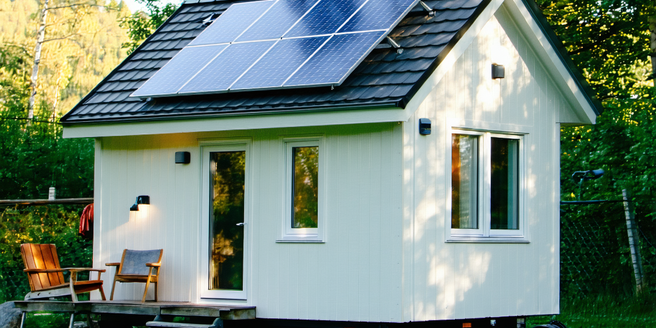
The tiny house movement advocates for living simply in small, efficient spaces. Reducing square footage leads directly to lower costs in construction, utilities, and upkeep compared to traditional homes. By downsizing possessions and optimizing living areas, tiny house owners experience significant financial freedom and minimal environmental impact. With tailored design options, these homes can meet personal style and functionality preferences without superfluous expenses. Tiny houses appeal particularly to those pursuing a minimalist lifestyle, desiring mobility, or wishing to live off the grid. Through creative design and a focus on essential comforts, tiny house dwellers often report increased contentment and reduced stress, proving that less can indeed be more when intentional simplicity is embraced.
Living with Family or Friends: Pros and Cons
Choosing to live with family or friends can offer significant cost savings, but it comes with its own set of challenges. The most apparent benefit is shared housing expenses, which drastically reduce individual costs for rent, utilities, and groceries. There is also potential for strengthened relationships and emotional support systems within a household. However, living with others requires clear communication regarding chores, privacy, and shared spaces to maintain harmony. Each household member must respect personal boundaries to prevent conflicts. Additionally, dependency on family or friends may limit autonomy, influencing lifestyle choices and personal freedom. Navigating these dynamics is crucial to maintaining a balanced and peaceful cohabitation, highlighting the importance of agreements and understanding from the onset of such arrangements.
Embracing the Van Life: Mobile Living on a Budget
Van life presents an adventurous and cost-effective alternative to traditional living. Opting for a life on the road, individuals convert vans or similar vehicles into mobile homes, equipped with basic amenities like a bed, kitchenette, and storage. This lifestyle eliminates rent and utility bills, replacing them with the freedom to travel and embrace spontaneity. Van living appeals to those seeking minimalism and connection with nature, as well as digital nomads requiring only an internet connection for work. While it offers incredible flexibility, challenges include limited space, finding safe overnight parking, and maintaining vehicle upkeep. However, for those drawn to adventure and simplicity, van life provides a fulfilling, alternative lifestyle that emphasizes experience over material possessions.