Understanding Free Plumbing Inspection Offers
What Are Free Plumbing Inspection Offers?
Free plumbing inspection offers are promotions provided by plumbing companies to attract potential customers or maintain relationships with existing ones. These offers typically involve a comprehensive assessment of your plumbing system without initial charges. Contractors utilize these inspections to identify potential issues, provide estimates for repairs, and suggest preventive measures. While the inspection itself does not incur a fee, homeowners should be aware that recommendations for repairs or additional services may come with costs. It is an opportunity for homeowners to gain insights into their plumbing systems’ current condition, understand potential problem areas, and make informed decisions. However, it is essential to verify the credentials of the service provider to ensure the reliability of the inspection.
Benefits of Opting for a Free Inspection
Choosing a free plumbing inspection offers several advantages. Firstly, it provides homeowners with an opportunity to detect minor issues before they become costly repairs. Understanding the current state of your plumbing system helps in planning for future maintenance. Secondly, free inspections can uncover hidden inefficiencies that might be inflating your utility bills. By addressing these, you can potentially save money in the long run. Additionally, having a professional review done at no initial cost can bring peace of mind, especially for new homeowners unfamiliar with the status of their plumbing. Ultimately, it offers valuable insights and recommendations without financial commitment, equipping homeowners with the knowledge needed to make informed decisions.
What to Expect During the Inspection
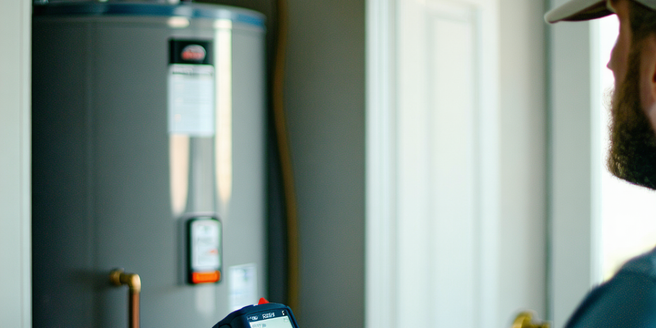
During a free plumbing inspection, the plumber will examine the major components of your plumbing system. This typically includes checking pipes for leaks or corrosion, assessing water pressure, inspecting water heaters, and ensuring that drains and toilets are functioning correctly. You can expect the plumber to ask questions about any existing issues you’ve noticed, such as slow drains or unusual noises from the plumbing. The inspection may also involve looking for signs of water damage or mold that could indicate leaks. The entire process is generally non-invasive and should not disrupt your daily routine. Upon completion, the plumber will present their findings and may offer recommendations for any necessary repairs or upgrades.
How to Identify Trustworthy Offers
With many plumbing companies advertising free inspections, it is important to distinguish between reputable firms and those using it as a mere sales tactic. Start by checking online reviews and ratings for genuine feedback from past customers. Verify that the company is licensed and insured, as this indicates professionalism and accountability. Trustworthy firms typically provide transparent information about what the free inspection will cover, avoiding any hidden agenda. It is also a good sign if they are willing to offer a written report of their findings without pressuring you into immediate repair decisions. Remember, a legitimate offer will focus on evaluation rather than just upselling services, ensuring that your interests are prioritized.
Potential Hidden Costs to Consider
Though the inspection itself is free, you should be cautious of potential hidden costs associated with plumbing inspections. After assessing your system, plumbers might propose repairs that could be expensive. To avoid unexpected expenses, request a detailed written estimate for any recommended repairs. Some companies may suggest unnecessary services, so it is wise to get a second opinion before committing. Additionally, you might encounter fees for accessing hard-to-reach areas or conducting in-depth diagnostics, which are not covered under the free inspection. Being informed and asking specific questions ahead of time can help you distinguish between essential repairs and those that might not be immediately necessary.
Questions to Ask Your Plumbing Inspector
To ensure a comprehensive and beneficial inspection, consider asking your plumbing inspector a series of pertinent questions. Inquire about the overall condition of your plumbing system and the estimated lifespan of its components. Ask whether any immediate repairs are necessary and request explanations for any detected issues. Inquire about possible preventative measures to avoid future problems and discuss any concerns you might have observed, such as low water pressure or consistent clogging. It is also useful to ask if they foresee any future big-ticket repairs based on the current condition of the system. The answers to these questions will provide a clearer understanding of your plumbing needs and help prioritize necessary actions.