Pet-friendly Apartment Complexes
Factors to Consider in Pet-friendly Apartments
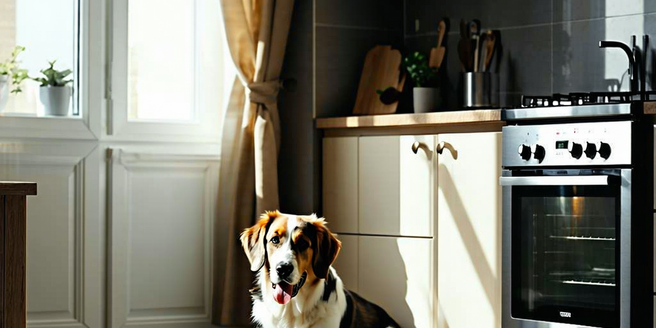
Before committing to a pet-friendly apartment, there are several factors to take into account. One of the primary considerations is the layout of the apartment. Open spaces allow pets to move freely, while smaller, cramped units may cause stress. Soundproofing is also essential as excessive noise can be distressing for certain animals. Additionally, the type of flooring can play a substantial role; for instance, carpeted floors may trap allergens, whereas tiled floors are easier to clean. Another vital factor is the proximity of the apartment to parks or pet-friendly zones offering ample areas for walks. Lastly, reviewing the neighbors and understanding their attitude towards pets can be crucial to ensuring a harmonious living environment. These factors ensure not only the comfort of your pet but also a peaceful coexistence.
Top Amenities for Pets in Apartment Complexes
When choosing a pet-friendly apartment, amenities can significantly enhance the living experience for both you and your pet. Look for complexes that offer dog parks or designated pet play areas where your furry friend can play freely and socialize. Some apartments even provide pet washing stations or grooming areas, making it convenient to keep your pet clean without the hassle of in-home baths. Additionally, having direct access to walking trails or nearby parks can make daily exercise routines enjoyable and convenient. Access to pet care services, like nearby veterinary clinics or pet stores, is also a significant advantage. Furthermore, amenities like pet sitting or walking services available on-site can offer much-needed convenience and peace of mind for busy pet owners. These amenities not only improve the quality of life for pets but also ease responsibilities for owners.
Finding the Right Location for Pet Owners
Selecting the right location is a crucial aspect of finding a pet-friendly apartment that suits both your lifestyle and your pet’s needs. Urban areas typically provide a variety of options, with many complexes located near pet-friendly parks, trails, or waterfronts ideal for regular walks and recreation. However, rural or suburban areas may offer larger spaces and more natural surroundings, catering to pets that require more outdoor activity. Public transport accessibility that allows pets can be an added benefit for city dwellers. Additionally, communities centered around pet acceptance often have pet-friendly cafes and events, providing socializing opportunities. Evaluating neighborhood safety is also essential to ensure secure walking routes. Proximity to veterinary services, pet stores, and grooming salons should be considered for convenience. Finding the right balance between location and pet-friendly amenities is key to a satisfying living arrangement.
Pet Policies: What to Expect and Prepare For
Understanding the specific pet policies of an apartment complex is crucial before making a decision. Most complexes have guidelines regarding the types and number of pets allowed; some restrict particular breeds or weight limits. It’s essential to confirm this information to avoid any surprises or complications. Typically, there are requirements such as proof of vaccinations, documentation of flea treatments, or even registration with local pet authorities. Some landlords may require spaying or neutering as part of their policy. Additionally, noise levels generated by pets and cleanliness guidelines may be strictly observed, with penalties for breaches. Prepare to negotiate on certain terms, and always check for hidden costs associated with pets. Being informed and compliant with these policies ensures a positive tenancy and a harmonious relationship with neighbors and management.
Navigating Costs: Pet Deposits and Fees
When leasing a pet-friendly apartment, financial considerations related to pet ownership play a substantial role. Most apartment complexes require a pet deposit and may also charge monthly pet fees. A pet deposit is typically refundable, provided there is no damage caused by the pet. Conversely, pet fees are usually non-refundable and are applied to offset potential maintenance for pet-related issues. It’s important to get clarity on these costs up front to avoid hidden fees. Some places may offer bundled deals, reducing overall expenses if there are multiple pets. Additionally, investing in pet insurance may cover unforeseen veterinary costs, providing financial relief. Weighing these costs against potential benefits is essential in making a financially sound decision when selecting a pet-friendly complex. Preparing a budget by incorporating these expenses will ensure a more seamless and stress-free living arrangement.
Tips for a Smooth Move with Your Pets
Moving can be a stressful experience for pets. To ensure a smooth transition, start by familiarizing your pet with packing materials and moving boxes ahead of time to reduce anxiety. Keeping your pet’s routine as consistent as possible will provide them with a sense of stability. Prepare a dedicated safe space with their favorite toys and bedding during the move to give them comfort. If possible, transport pets to the new location gradually to acquaint them with the new environment. On the day of the move, consider having a pet sitter or a quiet space to prevent stress. Once in the new home, gradually introduce your pet to each room and re-establish their daily routine as soon as possible. Patience and consistency are key to helping your pet acclimate to their new surroundings with minimal stress.