Future Resale Value
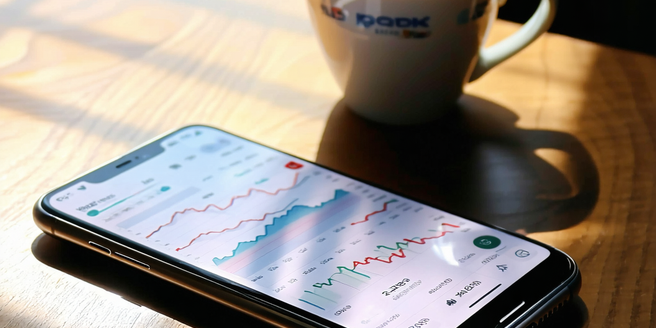
Understanding the Factors Influencing Resale Value
Resale value is determined by various factors that potential buyers consider important. Key considerations include the age and condition of the item, its brand reputation, market demand, and historical resale performance. Depreciation rates are significant, with some products losing value rapidly while others maintain it longer. Supply and demand dynamics also play a role; limited edition items often command higher prices due to their scarcity. Additionally, broader economic conditions, such as consumer confidence and spending power, influence buyer behavior, impacting resale value. Understanding these factors requires research and careful monitoring of trends and patterns. Products with unique, time-tested features and those in good condition are more likely to maintain strong resale value, capturing the interest of discerning buyers in the secondary market.
Importance of Market Trends on Valuation
Market trends hold substantial influence over valuation, particularly in rapidly evolving industries. Changes in consumer preferences can affect demand, shifting the desirability and, consequently, the value of items. Trends such as sustainable living, technological advancements, and historical interest shape how products are perceived and priced. Additionally, economic factors like inflation rates and market stability can impact buyer capacity to invest, thereby affecting resale values. The ability to anticipate and adapt to these trends is crucial for maximizing potential returns. Staying informed through market analysis, industry reports, and trend forecasts enables individuals and businesses to adjust their strategies effectively. Ultimately, aligning resale efforts with prevailing market dynamics can enhance profitability in the competitive secondary market.
Technology’s Role in Future Resale Prospects
The rapid advancement of technology significantly influences future resale prospects. Innovations can alter the desirability and utility of products, impacting their secondary market value. For example, tech upgrades in devices like smartphones or cars can render older models obsolete, reducing resale worth. Conversely, technology enhances accessibility to broader markets through online platforms, enabling sellers to reach a global audience. Additionally, tech-driven data insights assist in pricing strategies and consumer trend analysis. As technology continues to evolve, it offers unique opportunities for both sellers and buyers to engage in the resale market intelligently. To leverage these advantages, understanding how technology affects specific products and optimally timing sales is essential, ensuring that items are sold when demand and value are highest.
Evaluating the Impact of Branding and Condition
Branding and condition dramatically influence an item’s resale value. Premium brands with strong reputations often command higher prices due to perceived quality and status. Buyers are willing to pay more for trusted names, confident in the resale market’s acceptance. Condition is equally critical; items well-maintained, with minimal wear and operational effectiveness, attract higher offers. Regular assessments and timely repairs can significantly enhance an item’s appeal. Authenticity verification, original packaging, and accessories enhance perceived value, reassuring buyers of their investment quality. Therefore, maintaining impeccable condition and leveraging strong brand associations are effective strategies to boost resale potential. Understanding how these elements align with buyer expectations aids in pricing and sales strategies, helping sellers achieve optimal returns in the resale market.
Strategies to Enhance Resale Value Over Time
Enhancing resale value demands proactive strategies before selling. Regular maintenance and timely repairs ensure that items remain in peak condition, preserving their value. Documentation, such as service records and proof of authenticity, provides buyers confidence, potentially increasing willingness to pay a premium. It’s important for sellers to stay informed about trends and shifts in the market. Market monitoring to identify optimal selling periods maximizes returns when demand peaks. Additionally, targeted upgrades can modernize older products, increasing their appeal. Fostering strong brand associations by aligning with reputable brands also boosts value. These strategies require foresight and commitment but can significantly impact profitability. By implementing them consistently, sellers position themselves advantageously in the resale market, ready to capitalize when opportunities arise.