High Rent And Local Economies
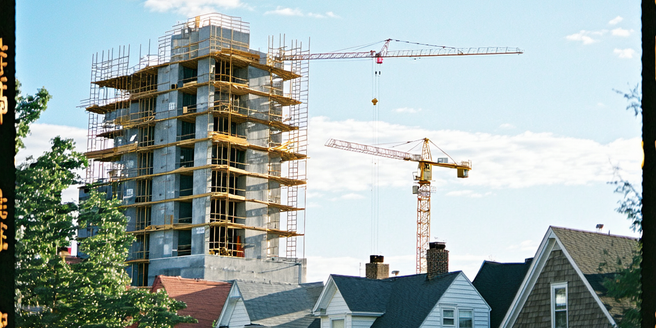
The Impact of High Rent on Local Businesses
High rent significantly impacts local businesses by increasing operational costs and reducing profit margins. Many small businesses struggle to maintain their financial stability as rent consumes a large portion of their budget. This can lead to fewer resources for expansion, hiring, or marketing efforts. Additionally, high rent locations often pass costs onto customers, potentially reducing sales as prices rise. The challenge of meeting these expenses can force some entrepreneurs to reconsider their business models. In extreme cases, businesses may relocate to more affordable areas, leading to a decrease in the diversity and vibrancy of local economies. This situation can have a ripple effect, as fewer businesses might mean fewer job opportunities, impacting the overall economic health of the community.
How Rising Rent Affects Community Cohesion
Rising rents can strain the social fabric of communities. As housing costs soar, residents may be forced to relocate, leading to a breakdown in community ties and a loss of neighborhood identity. This constant movement disrupts local networks and diminishes the sense of belonging that is vital for community cohesion. The loss of long-established social connections can also contribute to a decline in community engagement and participation. Neighborhoods often face a demographic shift, affecting local schools, community events, and support systems that thrive on long-term residents. Consequently, the transient nature of populations in high-rent areas can lead to a diminished sense of trust and cooperation among residents, impacting the effectiveness of community-driven initiatives.
Strategies for Local Economies to Adapt to High Rent
Local economies facing high rent challenges must adapt through innovative strategies. Encouraging mixed-use developments can provide affordable space for businesses while supporting residential needs. Public-private partnerships can focus on revitalizing underutilized areas, offering incentives for businesses that invest locally. By leveraging technology, businesses can form networks that share resources and ideas, amplifying their impact. Additionally, fostering a culture of entrepreneurship by supporting startups and small businesses with grants or co-working spaces can invigorate economic activity. Communities can also push for zoning reforms that prioritize affordability and sustainability, ensuring that urban development benefits all residents. Collaborative efforts among stakeholders can lead to solutions that balance economic growth with the preservation of community values.
The Role of Government in Managing Rent Prices
Governments play a crucial role in managing rent prices through policies and regulations. Implementing rent control measures can ensure that increases are kept within reasonable bounds. Providing tax incentives to developers for creating affordable housing can help alleviate high rental markets. Additionally, encouraging mixed-use developments can foster vibrant communities that cater to a variety of needs. Governments can also invest in the construction of public housing and offer subsidies to lower-income residents. It’s important for policies to be adaptable to local conditions, reflecting the diverse challenges faced by different communities. By working with stakeholders, including citizens and businesses, governments can facilitate balanced development that protects residents from the adverse effects of uncontrolled rent hikes.
Future Trends: Rent and Economic Sustainability
Looking forward, the trends in rent and economic sustainability will be largely influenced by technological and societal shifts. As urban populations continue to grow, cities must find innovative ways to accommodate increasing demand for housing. Smart city concepts that integrate technology into urban planning may offer new solutions for efficient land use, potentially easing rental pressures. The push for remote work could redefine commercial space needs, allowing for more residential development in urban centers. Developers might focus on building resilient, multi-use spaces that can adjust to varying market demands. However, achieving economic sustainability will require concerted efforts from policymakers to integrate affordable housing into future urban planning, ensuring that growth remains inclusive and equitable for all residents.