Proximity To Local Amenities
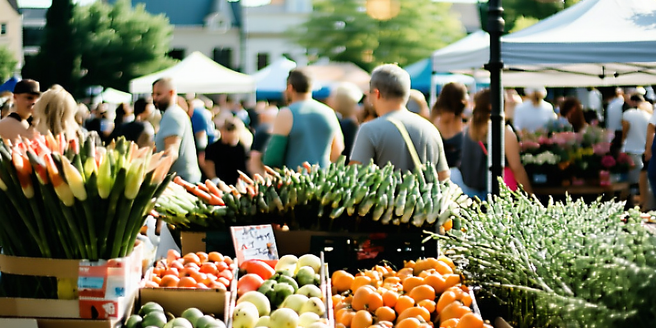
Understanding the Importance of Local Amenities
Local amenities such as parks, schools, and shopping centers significantly impact the livability of a neighborhood. These conveniences contribute to the community’s vitality by providing essential services and recreational opportunities. The presence of well-maintained parks and community centers promotes social interaction and physical activities, fostering a sense of community. Schools of high quality attract families, ensuring a stable environment for children. In addition, nearby medical facilities and grocery stores enhance the neighborhood’s appeal by offering quick access to healthcare and essential goods. All these elements combined define the local culture and conveniences that make a location desirable. Buyers and renters should carefully evaluate these factors when considering a new area, as they play a crucial role in the quality of life and long-term satisfaction.
Evaluating Proximity: What to Look For in a Neighborhood
When considering a move, evaluating the proximity to local amenities is essential. Look for neighborhoods that offer easy access to daily necessities like grocery stores, schools, and healthcare facilities. Proximity to public transport is a key factor, making commutes shorter and more efficient. Consider the availability of parks and recreational areas, which enhance community interaction and provide spaces for exercise and relaxation. Safety is paramount, so assessing crime rates and local security measures is crucial. A neighborhood with diverse dining and shopping options adds to the convenience and vibrancy of the location. Furthermore, areas that have active community organizations suggest strong local engagement. All these aspects contribute to the overall quality of life, influencing your decision on where to settle down.
How Schools and Parks Affect Property Values
The presence of reputable schools and well-maintained parks can significantly influence property values in a neighborhood. Families with children often prioritize access to quality education, leading to increased demand and higher property prices. Even for those without children, living in a district with commendable schools can be advantageous for resale value. Parks offer residents a nearby escape to nature and a place for social gatherings, which enhances the appeal of a community. Green spaces are linked to improved mental health and increased physical activities, making them valuable neighborhood assets. These amenities not only elevate the residential experience but also attract buyers who appreciate community and environmental quality. Consequently, properties close to educational institutions and parks generally see better market performance.
The Role of Public Transport in Enhancing Accessibility
Public transport plays a critical role in enhancing accessibility, making neighborhoods more attractive and convenient. Reliable transit options create seamless connections to various parts of a city, reducing reliance on personal vehicles and lowering transportation costs. This ease of access can greatly affect where people choose to live, work, and socialize. Proximity to bus lines, train stations, or subways can significantly increase property desirability and value, as efficient commuting is a priority for many. Moreover, effective public transport networks contribute to lower traffic congestion, reduced pollution, and overall better urban living conditions. Neighborhoods with robust transport options send a positive signal to potential residents about the area’s connectivity and development potential, making them favorable locales for investment and community growth.
Shopping and Dining Options: A Guide to Convenience
Proximity to diverse shopping and dining options is a major convenience for any neighborhood. It significantly contributes to the area’s livability by providing easy access to a variety of services and experiences. A community with a blend of restaurants, cafes, and shops not only enhances lifestyle quality but also supports local economies. Residents benefit from a richer social life with opportunities for casual outings, fine dining, or catching up over coffee. The presence of specialty eateries and unique shops can give a neighborhood a distinctive character and draw visitors, increasing its vibrancy. Furthermore, being close to markets reduces travel time for everyday essentials, adding unmatched convenience to daily life. This accessibility to goods and services is a compelling factor in property decisions beyond mere dwelling features.
Balancing Urbanization with Community Charm
As urbanization progresses, maintaining community charm becomes a delicate balancing act. The introduction of new developments can bring necessary amenities and infrastructure, boosting the neighborhood’s functionality and appeal. However, unchecked growth may threaten the character that makes an area unique and cherished by its residents. It’s crucial to engage community members in planning processes to ensure that developments meet local needs without eroding the neighborhood’s heritage. Strategies like preserving historical sites and incorporating green spaces can harmonize new and old elements. This thoughtful urban planning fosters a sense of belonging among residents, encouraging a stable community atmosphere. Successfully balancing urbanization with community charm sustains the identity and attractiveness of a neighborhood, ensuring it remains a vibrant place to live.