Low-income Housing Options
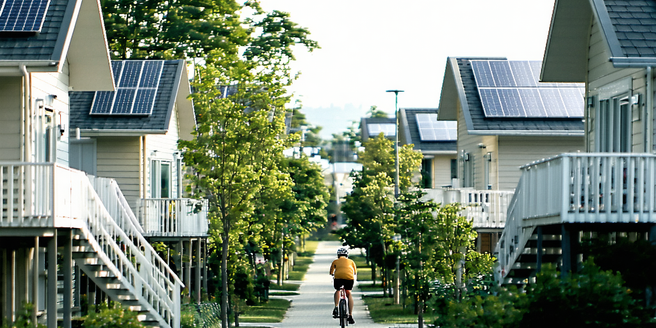
Understanding Low-Income Housing
Low-income housing plays a crucial role in providing affordable living options for individuals and families with limited financial resources. It is designed to ensure that everyone has access to safe, decent, and affordable housing, which is a fundamental human right. These housing options are typically funded through government initiatives and aim to alleviate the housing burden faced by low-income households. Eligibility for such programs usually considers the income level, ensuring those who need help the most receive it. Low-income housing not only provides a roof over one’s head but also offers stability and a chance for individuals to improve their economic situations by investing their saved housing expenses into other essential needs or opportunities, like education or healthcare. The success of these programs greatly depends on effective policy-making and community involvement.
Types of Low-Income Housing Programs
Various types of low-income housing programs exist to cater to the diverse needs of low-income families. Public housing, managed by government agencies, provides apartments and homes to eligible low-income families, the elderly, and disabled individuals. Another option is the Housing Choice Voucher Program, also known as Section 8, which allows participants to choose their housing and have a portion of the rent subsidized by the government. Additionally, there are nonprofits and community-based organizations that offer affordable housing solutions. Some programs focus on rent control, ensuring that rental prices remain below market rate. Each option has its eligibility criteria, application processes, and benefits, offering participants the flexibility to select a program that best meets their housing and financial requirements.
Eligibility Criteria for Affordable Housing
Determining eligibility for affordable housing programs requires understanding specific criteria set forth by the programs. Generally, these criteria are income-based, where applicants must fall below a certain income threshold relative to the area’s median income. Household size, age, disability status, and veteran status may also affect eligibility. Detailed documentation such as proof of income, tax returns, and identification is often required during the application process. Each program has unique requirements, and it’s crucial to review them thoroughly before applying. Thanks to the layer of different programs, families and individuals have various options, but the demand often exceeds supply, leading to longer waiting periods. Understanding and meeting eligibility criteria is the first step toward accessing these crucial resources.
How to Apply for Subsidized Housing
Applying for subsidized housing involves several important steps. The first step is to identify the specific program for which you might be eligible. Once you have chosen a suitable program, the application process typically requires detailed documentation, including proof of income, family size, and identification. It’s essential to complete the application accurately and thoroughly to avoid delays. Additionally, being organized and prompt in submitting all necessary documents can improve your chances of acceptance. Considering the high demand for subsidized housing, waiting lists are common, so patience and perseverance are vital. Many housing authorities also provide online resources to help applicants navigate the process, and community organizations can offer assistance to ensure that your application stands out.
Pros and Cons of Low-Income Housing
Low-income housing offers a range of benefits and challenges for recipients and communities. On the positive side, it provides vital financial relief to families struggling with housing costs, enabling them to allocate more resources towards essentials like food, healthcare, and education. It also offers stability and security, contributing to improved quality of life and potential upward mobility. However, limitations include scarcity, as demand often surpasses supply, leading to lengthy wait times. Additionally, some communities may face social stigmas or insufficient funding, impacting the quality and availability of housing. Balancing these pros and cons involves continual advocacy for policies that sustain and expand affordable housing, ensuring that every person can afford safe and decent accommodations.
Future Trends in Affordable Housing Solutions
The future of affordable housing solutions is being shaped by evolving social, economic, and technological trends. Innovations such as modular construction and 3D printing are emerging as cost-efficient ways to build high-quality, affordable housing quickly. Moreover, there is an increasing push towards sustainable development, incorporating green building practices that reduce environmental impact and operating costs. Policy shifts focusing on inclusionary zoning are also gaining traction, requiring new developments to include a percentage of affordable units. As urban areas continue to grow, there is a need for innovative public-private partnerships to enhance housing access and affordability. Embracing smart technology in housing solutions further promises enhanced living conditions and energy management. The drive for more inclusive and equitable housing solutions will continue to underpin these future trends, addressing the persistent need for affordable housing.