Hardwood Floor Care
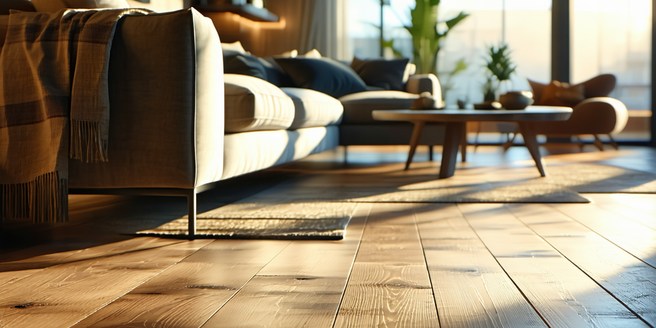
Understanding Different Types of Hardwood Floors
Different types of hardwood floors such as oak, maple, and cherry offer distinct patterns and durability. Oak is known for its classic look and versatility, while maple offers a more subtle grain pattern that fits well with modern decor. Cherry provides a rich color and elegant appeal. Knowing the type of wood is vital as it influences the maintenance routine and lifespan of the floor. Exotic species bring unique aesthetics but may require specialized care and cleaning products to maintain their beauty. Understanding these differences ensures you apply the correct maintenance techniques and select compatible products, which can extend the life of the floors and maintain their allure. When choosing hardwood, consider factors such as your lifestyle, the climate of your area, and the amount of foot traffic to ensure you select the ideal flooring type.
Daily Cleaning Routines for Hardwood Floors
To ensure the longevity and beauty of your hardwood floors, establish a consistent daily cleaning routine. Start by sweeping or dust-mopping to remove dirt and debris, as these particles can scratch the surface. Use a soft-bristled broom or a microfiber dust mop designed specifically for hardwood. Avoid using water-based mops daily, as excessive moisture can damage wood. Instead, lightly mist the floor with a cleaner recommended for hardwood or a home-made solution of vinegar and water for spot-cleaning. Pay special attention to high-traffic areas and any spills that occur throughout the day. Maintaining a regular schedule helps prevent dirt buildup, minimizes wear and tear, and keeps your floors looking fresh. Avoid harsh chemicals and always follow manufacturer guidelines to preserve the wood’s finish and integrity.
Preventative Measures to Protect Your Floors
Implementing preventative measures is crucial in extending the life of your hardwood floors. Start by placing mats or rugs at entryways to trap dirt and moisture before it reaches the wooden surface. Use furniture pads under legs to prevent dents and scratches, and rearrange furniture occasionally to prevent uneven wear. Maintain indoor humidity levels between 30-50% since excessive moisture can lead to warping, while overly dry conditions might cause the wood to contract and crack. Trim pet nails to reduce the risk of surface damage and establish a no-shoes policy to minimize dirt and grit tracking. Regularly inspect your floors for signs of wear or damage, addressing issues promptly to prevent further deterioration. By taking these steps, you ensure lasting beauty and functionality of your hardwood floors.
Choosing the Right Cleaning Products
Selecting the right cleaning products is essential for maintaining the beauty of your hardwood floors. Avoid harsh chemicals and products that contain ammonia or oil-based soaps, as they can dull the finish or cause build-up. Instead, use cleaners specifically formulated for hardwood flooring that are pH-balanced and residue-free. For general upkeep, opt for a microfiber mop paired with a gentle cleaning solution. If you’re considering homemade options, a mixture of vinegar and water can be effective, but use sparingly to avoid excessive moisture. Regularly check the manufacturer’s recommendations for specific cleaning products suitable for your floor type. Testing new products in an inconspicuous area can help prevent unforeseen damage. By choosing appropriate cleaning products, you protect the natural luster and extend the lifespan of your floors.
Deep Cleaning Techniques for Hardwood
Deep cleaning is essential for maintaining the shine and longevity of your hardwood floors over time. Start by vacuuming to remove dust and debris, using an attachment designed for hardwood. Follow with a damp mop, carefully avoiding excess water that could seep into the seams. Utilize a deep cleaner specifically for hardwood, ensuring it does not leave a residue. Employ a microfiber cloth to gently scrub areas with stubborn dirt or stains. For heavy-duty cleaning, consider hiring professionals who use specialized equipment like rotary machines and non-toxic cleaners that penetrate deeply, revitalizing the wood. It’s advisable to deep clean your floors seasonally, checking for any signs of damage during this process. This routine not only tackles hidden grime but also helps in early identification and remediation of wear and tear.
Dealing With Common Hardwood Floor Issues
Common issues with hardwood floors include scratches, warping, and discoloration, each requiring targeted strategies. For scratches, consider using a wax stick or wood stain marker to blend imperfections with the surrounding wood. Warping often results from excess moisture; controlling indoor humidity and addressing spills promptly can mitigate this. For boards that are already warped, replacement might be necessary. Discoloration can occur from prolonged sun exposure; rotate rugs and furniture periodically to ensure even wear. Applying a protective UV sealant can also help minimize sun damage. Regularly inspect your floors for early signs of these common problems, as addressing them quickly can prevent costly repairs and retain the aesthetic appeal of your hardwood. Routine maintenance and corrective measures are key to preserving the functionality and beauty of your floors over time.