Adapting Apartments For Remote Work
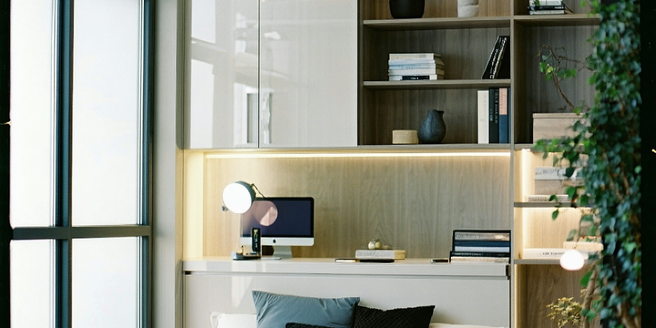
Understanding Space Utilization in Small Apartments
Understanding how to best utilize space in small apartments is crucial in a world where remote work is becoming the norm. Every inch counts, and it requires strategic placement of furniture and tech. Consider multipurpose furniture like a fold-out desk or a Murphy bed that can free up space when not in use. Store vertically to maximize floor space, using shelves and hanging storage. Convert corners into work nooks and ensure each space has dual purpose, such as a dining table that also serves as a work desk. Decluttering regularly is essential to maintain an environment that encourages focus. Thoughtful use of space not only maximizes functionality but also sets the stage for a peaceful, productive work atmosphere in confined living quarters.
Essential Furniture for a Home Office Setup
Creating an effective home office requires selecting the right furniture that supports productivity and comfort. A sturdy and spacious desk is foundational, providing ample space for a computer, documents, and necessary peripherals. An ergonomic chair is non-negotiable as it supports proper posture and reduces fatigue over long working hours. Consider a monitor stand to position your screen at eye level, reducing neck strain. Storage solutions like filing cabinets or under-desk organizers keep essential documents and office supplies within reach without cluttering the workspace. Including a bookcase can help display frequently used resources while adding a professional touch to the office. Furniture that promotes organization and efficiency is vital for creating a serene, focused home office environment.
Incorporating Ergonomic Design Principles
Integrating ergonomic design principles in your home workspace can significantly boost your comfort and productivity. Start with an ergonomic chair that supports your back and encourages good posture. Position your desk at a height where your arms rest at a 90-degree angle and your feet are flat on the floor. The top of your computer screen should be at eye level to prevent neck strain. Consider using an ergonomic keyboard and mouse to reduce wrist strain. If possible, invest in a sit-stand desk to encourage movement and circulation throughout the day. Incorporating plants can also improve air quality and create a calming environment. These ergonomic considerations are fundamental to creating a workspace that promotes long-term health and effectiveness.
Maximizing Natural Light for Productivity
Natural light is a powerful tool for enhancing productivity and mental wellness in a home office. Position your desk near a window to take advantage of sunlight; this not only boosts mood but regulates your body’s natural rhythms, improving alertness and energy levels. If direct sunlight is too harsh, sheer curtains can diffuse the light, creating a gentle and pleasant glow. Reflective surfaces, like mirrors or light-colored walls, can help bounce natural light around the room. Ensure computer screens are positioned to minimize glare, which can lead to eye strain. Incorporating natural light into your workspace not only reduces reliance on artificial lighting but also contributes to a more invigorating and inspiring working environment.
Choosing Technology Solutions for Efficient Work
As remote work evolves, selecting the right technology solutions is key to maintaining efficiency and connectivity. Invest in high-speed internet to facilitate smooth video conferencing and uninterrupted collaboration. A reliable computer with sufficient processing power for your work demands is essential. Utilize cloud-based services for file storage and sharing to ensure access from anywhere. Consider noise-canceling headphones to minimize distractions and improve concentration. A second monitor can significantly enhance productivity by allowing multiple applications to be open simultaneously. Implementing smart home devices, like voice assistants, can also streamline routines and keep you organized. Thoughtful investment in technology not only enhances work efficiency but also supports a seamless transition between home and professional life.
Balancing Aesthetics and Functionality in Design
Creating a home office that balances aesthetics with functionality is vital for a productive and inspiring work environment. Start with a cohesive color scheme that reflects your personal style and promotes focus. Choose furniture that blends seamlessly with your apartment’s overall design while serving a practical purpose, such as a desk with built-in storage or a stylish chair that complements the room’s décor. Incorporate artwork or decor that motivates and inspires creativity. Keep the workspace organized with elegant yet practical storage solutions, like decorative boxes or minimalist shelving. Introducing plants can add a touch of nature, improving air quality and creating a tranquil atmosphere. A well-designed space not only enhances work efficiency but also maintains the harmony and beauty of your living area.