Exploring Inexpensive Home Options
Maximizing Space in Small Apartments
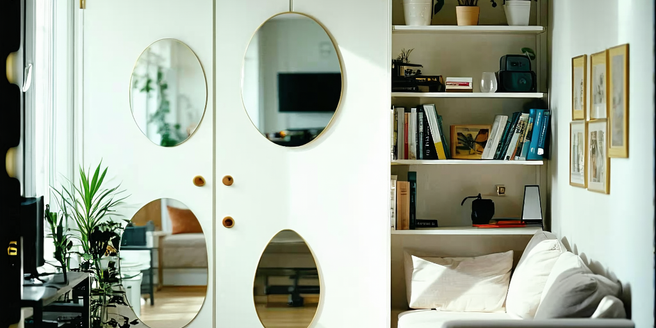
Living in a small apartment requires creative strategies to maximize space. One effective approach is to utilize multifunctional furniture that can adapt to various needs, such as sofa beds or extendable dining tables. Vertical storage solutions, like tall bookcases or wall-mounted shelves, can help keep the floor clear and maintain a sense of spaciousness. Decluttering regularly and organizing belongings using baskets or drawer dividers can prevent the accumulation of unnecessary items. Use mirrors strategically to create an illusion of a larger area, and choose a light color palette to enhance brightness. Implementing these tactics not only enhances functionality but also ensures that even the coziest of apartments can be comfortable and efficient to live in.
Converting Garages into Cozy Living Areas
Transforming a garage into a functional and inviting living space is a popular trend. Start by insulating the walls and floor to ensure comfort throughout the year. Choose durable flooring, such as laminate or engineered hardwood, that can withstand changes in temperature. Add windows or skylights for natural light, and use light-colored paint to brighten the space. Incorporating multifunctional furniture, like sofa beds or fold-down tables, can help make the most of the available area. Consider installing built-in shelving to keep the space organized. Personal touches like rugs, artwork, and houseplants can make the garage feel like a welcoming home. This conversion not only maximizes unused space but also provides a cost-effective solution for additional living quarters.
Utilizing Prefabricated Homes for Affordability
Prefabricated homes offer a cost-effective and efficient solution for those seeking affordable housing. These homes are manufactured off-site in sections and then transported and assembled at the desired location, reducing construction time and costs. The use of standardized materials and processes allows for lower prices compared to traditional building methods. Prefabricated homes can be customized to suit individual tastes and needs, offering a range of styles and sizes. Many of these homes are built with energy efficiency in mind, utilizing modern insulation and sustainable materials. Additionally, the lower waste associated with their construction helps lessen environmental impact. By choosing a prefabricated home, individuals can achieve homeownership at a fraction of the typical cost while still enjoying modern amenities and design.
Exploring Shared Housing and Co-ops
Shared housing and cooperative living arrangements are gaining popularity as affordable solutions to rising housing costs. In these setups, residents share common areas such as kitchens and living rooms, reducing individual expenses for utilities and maintenance. By pooling resources, individuals can enjoy more significant properties or prime locations that might otherwise be unaffordable. These communities often emphasize collaboration and social interaction, creating a supportive network for individuals. Housemates can share responsibilities like cooking or cleaning, promoting a sense of community. Co-ops may also allow for shared ownership, which can help build equity for members. This type of living arrangement is especially appealing to those seeking a sustainable and community-oriented lifestyle.
Designing Tiny Homes for Comfort and Function
Designing tiny homes requires a balance between comfort and functionality. These compact living spaces emphasize simplicity, efficiency, and minimalism. Key considerations include utilizing every inch of space creatively; this can involve built-in furniture, lofted beds, or retractable tables to maximize utility. Large windows can make a small area feel more expansive by bringing in natural light. Smart storage solutions like hidden compartments or modular shelves help keep the space organized and clutter-free. It’s crucial to prioritize essential items and choose multifunctional pieces that cater to diverse needs. Additionally, adopting a minimalist mindset not only enhances the living experience but also promotes sustainability. An effectively designed tiny home can offer the comforts of larger residences while maintaining a focus on efficiency and practicality.
Repurposing Shipping Containers for Living Spaces
Repurposing shipping containers into living spaces is an innovative approach to affordable housing. These structures provide a sturdy foundation and can be adapted to various climates with proper insulation. Containers can be stacked or arranged in unique configurations to create multi-room homes. One of the benefits is their modular nature, allowing for expansion or relocation. Sustainable practices, such as using recycled materials and incorporating solar panels, can enhance the eco-friendliness of these homes. The industrial aesthetic of containers appeals to those seeking modern, minimalist designs. By converting containers into living spaces, affordable and sustainable housing solutions become accessible, offering flexibility and creativity in home design.