Apartment Move-in Tips
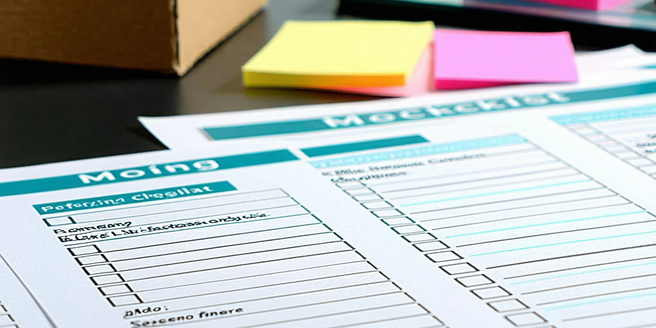
Preparing for Your Move: Checklist and Timeline
A well-structured checklist and timeline can significantly ease the moving process. Start by creating a detailed list of tasks, starting with notifying your current landlord and arranging the end of your lease. Next, schedule your move-in date, and begin packing. Aim for room-by-room packing to keep things organized and manageable. A week before the move, confirm the booking with your moving company or rent a truck if you plan to handle transportation yourself. Remember to change your address with the post office, update your records, and transfer services like internet and utilities. Label boxes clearly and consider designating specific days for particular tasks, such as cleaning or final inspections. Proper planning will ensure a smooth transition, reducing stress and minimizing the chances of overlooking essential tasks.
Packing Efficiently: Tips and Tricks
Packing efficiently is an art that simplifies the moving process. Start by decluttering; this means donating or selling items you no longer need. Gather proper packing materials, such as boxes, bubble wrap, and packing tape. Pack heavier items at the bottom of boxes and lighter items on top. Use clothing or towels to wrap fragile items, saving on packing materials and maximizing space. Clearly label each box with its contents and the room it’s destined for in your new apartment. Consider packing an essentials box containing items you’ll need immediately, like toiletries, a change of clothes, and basic kitchen supplies. Color-coding boxes by room can also streamline unpacking. Efficient packing reduces the risk of damage and loss while making unpacking more manageable.
Hiring Movers vs. DIY Move: Pros and Cons
Deciding between hiring movers and doing it yourself (DIY) is crucial when planning a move. Hiring professionals can save time and reduce physical strain, as they handle packing, loading, and unloading. Movers also offer insurance, offering peace of mind regarding potential damages. However, hiring professionals can be costly, depending on distance and volume. A DIY move is more budget-friendly and offers full control over the process, allowing for flexible scheduling. It provides an opportunity for personal involvement and might be preferable for smaller moves. Nonetheless, DIY requires renting a truck, potential physical strain, and organizing friends or family to assist. Consider your budget, time, and physical ability to determine the best option for your move.
Setting Up Utilities and Services Before Arrival
Establishing utilities and services before moving into your new apartment ensures a smooth transition. Start by contacting service providers for electricity, water, gas, internet, and cable as soon as your move-in date is confirmed. Research and compare various utility plans to find the best rates and services. Scheduling installations and transfers at least two weeks in advance helps avoid potential delays or gaps in service. Additionally, contact waste management and postal services to update your address and new service requirements. Some utility companies offer online account management, allowing you to monitor usage and billing efficiently once you’re settled. Coordinating these arrangements in advance ensures basic amenities are ready upon your arrival, providing comfort and convenience from day one.
Inspecting Your New Apartment: What to Look For
Inspecting your new apartment upon moving in is crucial to ensure everything is in optimal condition. Begin by examining walls, ceilings, and floors for any signs of damage, such as cracks or water stains, which could indicate underlying issues. Test all appliances and fixtures, ensuring they’re functioning correctly. Don’t overlook plumbing; check for leaks under sinks and around toilets. Confirm all windows and doors close properly and lock securely. Assess the apartment’s overall safety by checking smoke detectors and the presence of fire extinguishers. It’s essential to document any issues, taking photos and informing your landlord immediately. This helps ensure repairs are addressed promptly and protects your security deposit by establishing a record of pre-existing conditions.
Organizing and Decorating Your Space on a Budget
Transforming your new apartment into a comfortable and stylish home doesn’t have to break the bank. Start by organizing your belongings, ensuring everything has a place to minimize clutter. Use affordable storage solutions like clear bins or shelving units to maximize space. DIY projects can add a personal touch without high costs; consider upcycling furniture, painting accent walls, or creating custom art. Explore thrift stores or sales for budget-friendly furniture and decor. Opt for multi-functional pieces, such as ottomans with storage, to enhance versatility. Utilize lighting effectively by adding lamps or string lights, creating a cozy atmosphere. Personalizing your space with cost-effective solutions not only makes it feel like home but also showcases your creativity and unique style.