Tile Installation Tricks
Essential Tools for Tile Installation
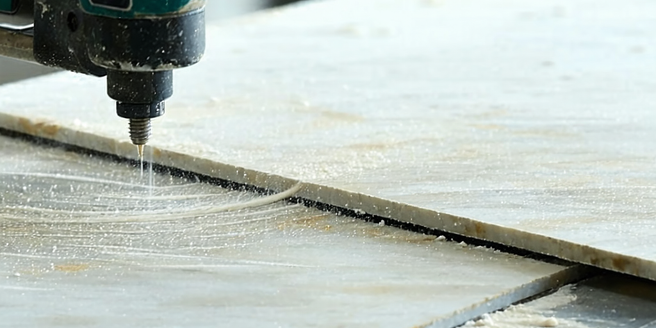
When embarking on a tile installation project, having the right tools at your disposal is key to achieving a professional finish. Essential tools include a high-quality tile cutter and a wet saw, which are crucial for precise cuts. Leveling tools are also critical; a spirit level ensures tiles are laid flat, while tile spacers maintain consistent gaps. A notched trowel is necessary for even adhesive application, ensuring tiles adhere properly. Don’t forget a rubber mallet for gentle adjustments and a grout float to apply grout smoothly. Safety gear, including knee pads, gloves, and safety goggles, is essential for protecting yourself as you work. Each tool serves a unique purpose and equips you to tackle challenges that arise during installation, helping you avoid mistakes and ensuring your tiles are perfectly set.
Preparing Your Surface for Tiling
Successful tile installation starts with meticulous surface preparation. Begin by ensuring the surface is clean, dry, and sound. Remove any dirt, grease, or old adhesive to provide a clean slate. If the surface is uneven, use a leveling compound to correct imperfections. Different surfaces require unique preparations; a concrete floor might only need leveling, while wood may require a cement backer board for stability. It’s essential to repair any cracks to prevent tiles from cracking once installed. Additionally, priming can improve adhesive bonding, particularly on porous surfaces. Remember, preparation isn’t a step to rush or overlook; it sets the foundation for a durable and visually appealing result. Proper surface preparation ensures that tiles adhere properly, leading to a long-lasting installation that meets your expectations.
Choosing the Right Tile for Your Space
Selecting the ideal tile for your space can significantly impact the room’s aesthetics and functionality. Begin by considering the room’s purpose; high-traffic areas, like kitchens, benefit from durable materials such as porcelain or ceramic. Natural stone tiles offer elegance but may require additional maintenance due to porosity. The size of the tile influences the spatial perception; larger tiles can make compact spaces appear bigger, while small tiles often suit intricate designs. Think about the color and texture; a lighter color palette can brighten a room, whereas textures can provide unique visual and tactile interest. Slip-resistance is a crucial factor for bathrooms and kitchens. By assessing these elements, you can choose a tile that complements the style and demands of your space, ensuring your tiling project is both practical and beautiful.
Step-by-Step Guide to Installing Tiles
Embark on a tile installation journey with a methodical step-by-step guide, ensuring precision and efficiency. Begin by planning your layout, marking the center points of the room to guide tile placement. Apply a suitable adhesive with a notched trowel for a robust bond. Carefully place the first tile at the intersection of your guidelines, using spacers for even gaps. Continue laying tiles row by row, pressing gently and making adjustments with a spirit level. Cut tiles to fit edges using a tile cutter or wet saw. Allow the adhesive to cure as per the manufacturer’s instructions before removing spacers. Once set, apply grout with a float, pressing it into the joints, and clean any excess with a damp sponge. This method ensures a seamless, professional finish, bringing your tiling vision to reality.
Common Mistakes and How to Avoid Them
Tile installation is a meticulous process prone to several common pitfalls that can impact the final result. One typical mistake is neglecting surface preparation. Always ensure the base is clean, level, and crack-free to prevent future tile displacement. Another error is choosing the wrong adhesive or using it improperly; adhere to manufacturer guidelines for mixing and application. Misaligned tiles can occur if you rush the layout process; use spacers and a level to maintain uniform lines. Cutting corners on grouting or sealing can lead to tiles lifting or grout discoloration. It’s also crucial to acclimatize tiles to the room’s temperature prior to installation to prevent expansion or contraction. By understanding and avoiding these errors, you ensure a successful, durable tile installation and a flawless finish that enhances the aesthetic of your space.