Comparing Rent Trends Across Different Regions
Understanding Regional Rent Patterns
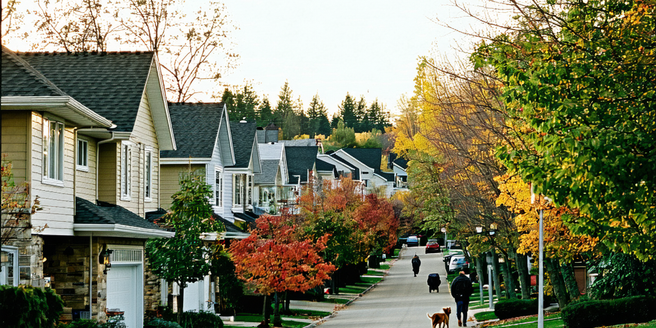
Regional rent patterns vary due to several factors, including economic conditions, population growth, and migration trends. Urban areas often exhibit higher rental prices due to increased demand and limited housing supply. In contrast, rural regions may have stable or declining rents driven by population stagnation. Seasons also play a role; prices might peak when demand surges during specific periods like the academic year or tourist season. Coastal regions or cities known for tourism may experience rent spikes in vacation periods. Technological hubs or areas with job growth in emerging industries may also see escalating rents due to greater competition for housing. Understanding these patterns is essential for renters and investors to make informed decisions about housing costs and potential property investments.
Factors Influencing Rent Variations
Several factors contribute to variations in rent across regions, including economic, demographic, and policy influences. Economic factors like local job markets and median income levels are crucial, as stronger economies attract more residents, boosting demand. Demographics also play a significant role, with younger populations often opting for rentals, influencing price levels. Urbanization trends increase demand in cities, leading to higher rents. Government policies, such as rent controls or zoning laws, can restrict price increases or drive up rental demand by limiting new construction. Additionally, proximity to amenities or transportation links often increases property desirability, causing rent hikes. Natural factors like climate or risk of natural disasters can also impact rental desirability. Understanding these elements helps stakeholders predict changes and make better real estate decisions.
A Closer Look at Urban vs. Rural Areas
Urban and rural areas display contrasting rental trends due to differences in population density, economic opportunities, and lifestyle preferences. Urban centers typically command higher rents because of the concentration of jobs, amenities, and transportation options. The competition for housing in these areas drives prices upwards, making it challenging for low to moderate-income earners. Conversely, rural areas often have a more relaxed pace of life with lower cost of living, including rent. However, they may lack job diversity and access to amenities, slowing population growth and rental demand. The digital age is beginning to bridge this gap, as remote work enables more people to consider rural living without sacrificing career prospects. This shift may gradually equalize some of the disparities in rent levels between these types of areas.
Analyzing Rent Trends Over the Past Decade
Over the past decade, rent trends have shown complex patterns influenced by economic conditions, population movements, and policy changes. Up until the financial crisis in 2008, rents had been steadily climbing. Post-crisis, there was a temporary stabilization in rental prices as recovery began, leading to gradual increases in subsequent years. The increase of urbanization contributed significantly as more people moved to cities seeking employment opportunities, which drove up demand and prices. Recently, the COVID-19 pandemic introduced unforeseen variables, with urban exodus leading to rent declines in some cities, while remote work potential drove demand in others. Additionally, changes in housing policies and local regulations have shaped market dynamics, either encouraging or constraining rental development. Analyzing these trends reveals insights for future rental market trajectories.
Impacts of Economic Changes on Regional Rents
Economic changes have profound impacts on regional rent levels, influencing both short-term fluctuations and long-term trends. Economic booms typically drive up rents due to increased demand for housing as job opportunities attract more people to a region. During recessions, conversely, a weakened economy can stagnate or reduce rent levels as demand decreases. Inflation rates affect rent affordability, with high inflation eroding purchasing power and pushing for rent increases to maintain profitability for landlords. Employment rates are a strong indicator as employment growth usually correlates with heightened rental demand. Additionally, macroeconomic factors like interest rates impact investment in housing infrastructure, influencing supply dynamics. Recent shifts, particularly due to the global pandemic and ensuing economic policies, highlight the importance of monitoring economic indicators to forecast changes in regional rents accurately.