Housing Supply Bottlenecks
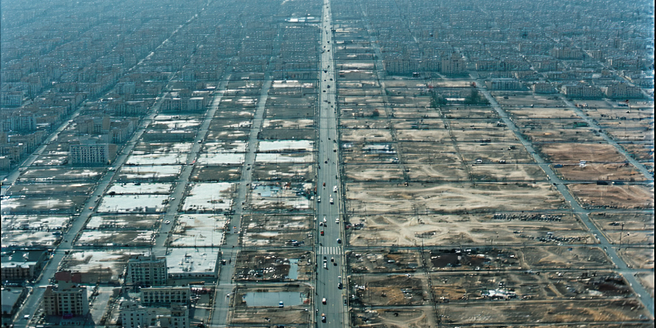
Understanding the Causes of Housing Supply Bottlenecks
Housing supply bottlenecks are multifaceted issues, often arising from regulatory hurdles, land use policies, and zoning laws that limit development. The shortage of skilled labor in construction further exacerbates these challenges, as does the high cost of materials, driven by global supply chain disruptions. Additionally, there’s often resistance from communities to new developments, fueled by concerns over increased traffic and changes in neighborhood character. Financial constraints, such as limited access to credit for new developments, also play a role. Understanding these causes is critical for policymakers, developers, and communities aiming to devise effective solutions. Addressing these bottlenecks requires a collaborative approach, focusing on revising regulations, incentivizing new developments, and promoting training programs to rebuild the labor force, ensuring that housing supply can meet growing demands.
Impacts of Housing Shortages on Communities
Housing shortages have profound impacts on communities, affecting everything from local economies to social cohesion. When housing is scarce, prices for existing homes and rentals often skyrocket, pushing longtime residents out and leading to increased homelessness. This displacement can alter the social fabric of communities and heighten tensions among residents. Economically, businesses may struggle to attract and retain employees if potential workers cannot find affordable housing. Schools and public services may also face strain as populations shift unpredictably. For young families and low-income individuals, housing shortages limit access to opportunities, contributing to broader societal inequalities. Governments must address these impacts through targeted policies that increase housing availability, ensuring that all community members have stable living situations. Bridging this gap enhances economic stability and promotes social inclusion.
Government Policies and Their Role in Supply Chain Issues
Government policies significantly influence housing supply through land use regulations, zoning laws, and economic incentives or deterrents. Restrictive zoning laws can stifle development, particularly in high-demand urban areas where land is scarce and expensive. Policies that limit building heights or mandate excessive parking space can further constrain the ability to provide affordable housing. However, governments also have the power to alleviate supply chain issues by streamlining permit processes, enabling quicker and more efficient developments. Additionally, subsidies or tax incentives for building affordable housing can encourage developers to invest in projects that might otherwise be financially unfeasible. By revising outdated policies and reducing bureaucratic red tape, governments can play a pivotal role in addressing housing supply shortages and promoting more equitable urban growth.
Innovative Solutions to Overcome Housing Challenges
Innovative approaches are essential to address the complex challenges of housing shortages. Prefabrication and modular construction have emerged as efficient methods to accelerate housing development while still maintaining quality. These approaches reduce construction time and costs, making housing projects more viable. Digital tools such as AI and data analytics can optimize site selection and design processes, ensuring that developments meet community needs and environmental standards. Additionally, repurposing existing structures, such as converting vacant commercial buildings into residential spaces, can increase housing stock without extensive new construction. Community land trusts and co-housing initiatives also offer alternative ownership models that can help secure long-term affordability. Embracing a diversity of solutions is crucial for governments, developers, and communities in overcoming housing supply challenges.
Case Studies: Cities Tackling Housing Supply Constraints
Several cities have successfully implemented strategies to combat housing supply constraints, offering valuable lessons for others facing similar challenges. For instance, Minneapolis eliminated single-family zoning, allowing for more multifamily units and increasing housing diversity. In Tokyo, streamlined building regulations have encouraged rapid construction, resulting in a stable housing market despite high demand. Vienna’s focus on social housing, integrating public amenities within residential developments, has maintained affordability for residents across income levels. These examples highlight the importance of policy flexibility, community involvement, and innovative urban planning in addressing housing shortages. By studying these case studies, cities can adopt tailored strategies that align with their unique challenges and opportunities, driving more sustainable and inclusive urban growth.
Future Outlook: What’s Next for Housing Supply?
The future of housing supply hinges on adopting adaptable and resilient approaches to urban development. As populations grow and urbanize, the demand for housing will continue to rise, necessitating proactive strategies. Technological advancements in construction methods, such as 3D printing and sustainable building materials, promise to revolutionize how homes are built, potentially lowering costs and reducing environmental impact. Policymakers are also increasingly recognizing the need for collaborative planning efforts across municipal boundaries to create cohesive regional housing strategies. Meanwhile, the emphasis on affordable, accessible, and inclusive housing will likely drive further innovation in financing models and public-private partnerships. By anticipating these trends and leveraging emerging technologies and collaborative frameworks, communities can better prepare for future housing demands, ensuring that development is both sustainable and equitable.