Supermarket Accessibility And Rent Hikes
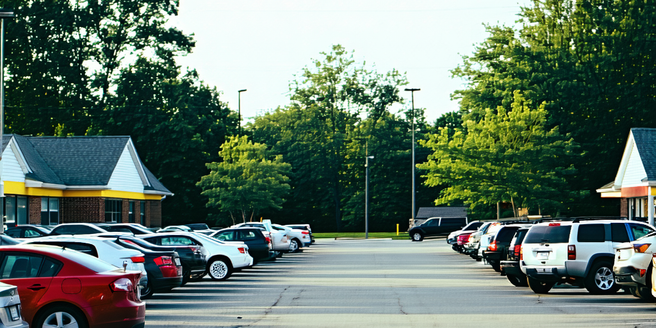
Impact of Rent Hikes on Supermarkets
Rent hikes can significantly affect supermarkets, especially in urban and suburban areas. When rent increases, supermarkets may face pressure to raise prices, reduce staff, or even close less profitable locations. This, in turn, can lead to decreased access to affordable food options for residents, particularly those in low-income neighborhoods. Supermarkets must balance the challenges of rising costs with maintaining competitive prices. The impact extends beyond the stores; local economies also suffer when a supermarket closes, as jobs are lost and consumers are forced to travel further for basic essentials. This domino effect highlights the importance of addressing rent issues to maintain the availability and affordability of groceries.
Challenges Faced by Low-Income Neighborhoods
Low-income neighborhoods often face several challenges when it comes to accessibility to supermarkets. Many areas are considered ‘food deserts,’ where a scarcity of nearby supermarkets limits access to fresh produce and healthy food options. Residents without reliable transportation may struggle to reach stores outside their immediate area, thereby reducing their options for affordable and nutritious food. Additionally, higher transportation or delivery costs can make shopping prohibitively expensive. Moreover, safety concerns and poorly maintained infrastructure, like sidewalks and bus stops, exacerbate accessibility issues. Addressing these challenges requires targeted efforts, including encouraging supermarket chains to establish locations within these communities or providing incentives for local businesses to offer fresh food.
Understanding Accessibility in Urban Areas
Accessibility in urban areas involves multiple facets, including transportation, infrastructure, and socioeconomic factors. Urban residents need supermarkets within reasonable distance to ensure regular access to food. Public transportation plays a crucial role, as efficient and affordable transit options can bridge the gap between home and essential services. Infrastructure, such as well-maintained roads and pedestrian pathways, supports accessibility for all demographics, ensuring everyone can reach supermarkets easily and safely. Socioeconomic disparities also play a role; individuals in lower economic brackets often face greater challenges in accessing fresh food, highlighting a pressing need for urban planning that promotes equitable access to necessities like groceries.
The Role of Local Governments in Accessibility
Local governments play a pivotal role in ensuring accessibility to supermarkets, particularly in urban and low-income areas. Through zoning laws and urban planning initiatives, they can encourage the introduction of new supermarkets into underserved neighborhoods. Subsidies or tax incentives can attract grocery chains to set up store locations in high-need areas, thereby improving access. Local governments can also invest in public transportation to facilitate easier access to distant markets. By engaging with community stakeholders and aligning urban policies with residents’ needs, governments can support healthier, more accessible cities. Furthermore, regulations on commercial leases can help stabilize rental costs, securing long-term supermarket operations.
Case Studies: Cities Addressing Rent Issues
Several cities have taken proactive measures to tackle rent hikes and their impact on supermarket accessibility. For example, New York City has implemented tax incentives to encourage grocery stores to open in designated underserved areas. Similarly, San Francisco offers grants and low-interest loans to small grocery stores to help mitigate rent pressures. Seattle has incorporated rent control mechanisms in certain districts to avoid sharp increases that might force supermarkets to close. These case studies reveal the positive outcomes that can be achieved when municipal policies focus on affordability and accessibility, ensuring communities maintain access to essential goods without major disruptions.
Future Trends in Supermarket Accessibility
Looking forward, technological advancements and innovative urban planning strategies may shape the future of supermarket accessibility. An increase in online grocery shopping and delivery services is one trend, potentially reducing the reliance on physical store locations. However, ensuring affordable delivery options remains vital, as it primarily impacts low-income residents. Smart city initiatives, like data-driven public transportation systems, can improve travel routes to supermarkets. Cities may see an uptick in mixed-use developments, integrating residential and commercial spaces to ease access to groceries. These trends suggest a dynamic shift in how urban areas can confront ongoing and future challenges in supermarket accessibility.