Harnessing Technology For Rental Savings
Understanding the Role of Smart Home Devices
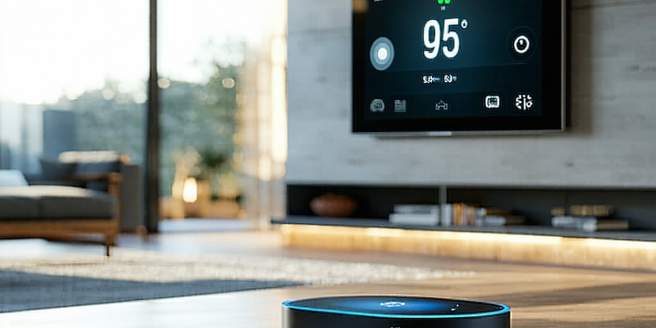
Smart home devices play a crucial role in enabling rental savings by offering automation and real-time control over various home systems. These gadgets, such as smart thermostats and automated lighting, help tenants manage their energy consumption efficiently. By allowing remote access, renters can adjust heating, cooling, and lighting even when they’re away, ensuring energy use only when needed. Integration of smart security systems adds an extra layer of safety, providing peace of mind and potentially reducing insurance costs. Furthermore, the data collected by these devices help renters make informed decisions about their energy habits. The seamless connectivity of these technologies presents not only an opportunity for savings but also a step towards sustainable living, making them an attractive feature for tech-savvy tenants.
Utilizing Rental Platforms for Competitive Pricing
Rental platforms have revolutionized the way tenants find homes, making the market more competitive and prices more transparent. Platforms like Zillow, Trulia, and AirBnB allow renters to compare prices and features easily, leading to better negotiation power. These platforms often provide historical data on pricing trends, enabling prospective tenants to make informed decisions about the most cost-effective times to rent. Additionally, they offer filters and alerts for properties that match specific budget and location criteria. By utilizing these tools, renters can avoid overpaying and secure the best deals available. Furthermore, direct communication with landlords through these platforms often leads to additional savings, as traditional realtor fees might be bypassed, directly impacting rental expenses. This shift to online real estate hunts empowers renters to achieve both comfort and affordability.
Leveraging Data Analytics for Cost Efficiency
The advent of data analytics has unveiled new pathways for renters to achieve cost efficiency in their living arrangements. By harnessing big data, tenants and property managers can analyze patterns in utility usage, occupancy rates, and market rental trends. This analysis identifies areas ripe for cost savings, such as optimizing energy usage during peak times or scheduling maintenance for off-peak times when it can be cheaper. Additionally, predictive analytics can forecast future utility costs and maintenance needs, allowing tenants to budget more effectively. Data-driven insights also permit better space utilization, identifying underused areas of a property that could potentially be downsized or repurposed. The use of analytics not only aids in personal budget management but can also influence longer-term rental strategies and negotiations, ultimately fostering a financially prudent lifestyle.
Energy-Efficient Technologies to Reduce Utility Bills
Incorporating energy-efficient technologies into rental properties is a proactive way to reduce utility bills significantly. Innovations such as energy-efficient appliances, LED lighting, and advanced insulation materials reduce energy consumption substantially. Transitioning to smart thermostats and energy monitors also provides renters with real-time feedback on their consumption patterns, helping them adapt to more sustainable habits. Solar panels, though initially expensive, offer substantial long-term savings and potential tax benefits. Moreover, low-flow plumbing fixtures can drastically cut water usage and bills. Renters seeking energy efficiency might also find properties with such upgrades more appealing, potentially leading to better occupancy rates for landlords. By investing in these technologies, renters not only lower their monthly expenses but also contribute to a broader environmental conservation effort, aligning personal savings with global sustainability goals.
Incorporating Maintenance Apps for Proactive Savings
Maintenance apps are becoming integral in fostering proactive savings for renters by facilitating timely repairs and upkeep. Utilizing these apps, tenants can report issues directly to property managers, ensuring swift responses before problems worsen and lead to costly repairs. These platforms often include scheduling functions, allowing renters to book professional help at convenient, often discounted, times. Some apps even provide tutorials for DIY fixes, empowering tenants to address minor issues independently, further driving down maintenance costs. Alerts and reminders for regular maintenance tasks such as filter replacements or seasonal inspections help prevent neglected maintenance that could escalate into significant expenses. By keeping potential issues in check through the functionality of these apps, renters can mitigate unexpected costs, ensuring that their living environment remains in optimal condition without expensive disruptions.