Renewable Energy Installations And Rental Values
The Impact of Renewable Energy on Property Value
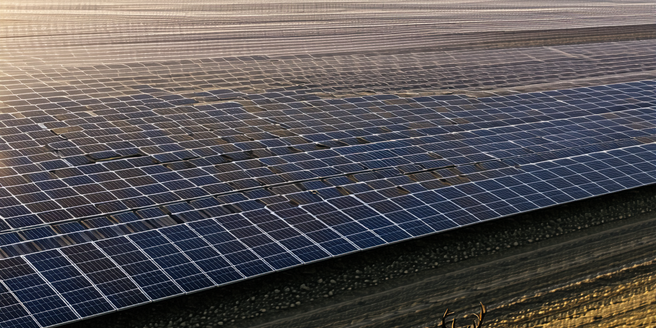
Renewable energy installations, such as solar panels and wind turbines, are becoming increasingly popular as homeowners and developers seek to reduce energy costs and their carbon footprint. Properties with renewable energy systems often experience an increase in value, as buyers are attracted to the long-term savings and environmental benefits. Studies have shown that homes equipped with solar panels typically sell faster and at higher prices than those without. This trend is driven by the growing demand for sustainable living solutions and the desire to minimize dependence on traditional energy sources. As awareness and adoption of renewable energy increase, it is likely that the positive impact on property values will continue to grow, making energy-efficient homes more attractive to prospective buyers.
How Solar Panels Affect Rental Prices
Solar panels are not only beneficial for reducing energy costs but can also have a significant impact on rental prices. Properties equipped with solar panels often attract environmentally-conscious tenants willing to pay a premium for reduced utility bills and a smaller carbon footprint. Additionally, landlords can leverage this sustainable feature as a unique selling point, setting their property apart in competitive rental markets. The cost savings associated with solar energy can offset higher rental prices for tenants, making solar-equipped properties financially appealing. Furthermore, as demand for eco-friendly living spaces rises, rental properties with solar installations are likely to experience decreased vacancy rates, ensuring a steady income stream for property owners.
Wind Turbines and Their Influence on Local Markets
Wind turbines, as a renewable energy source, have a distinct impact on local real estate markets. While the presence of wind farms can increase property values in some areas by generating jobs and contributing to local tax revenue, it can also lead to concerns about visual and noise pollution. The value impact of wind turbines on nearby properties often depends on their distance and visibility from residential areas. Properties in close proximity to turbines may experience a decrease in value due to perceived nuisances. However, those further away may benefit from increased community investment and economic growth. Understanding these dynamics is crucial for investors focused on properties influenced by renewable energy installations.
Comparing Urban vs. Rural Renewable Installations
The integration of renewable energy installations such as solar panels or wind turbines varies significantly between urban and rural settings. Urban areas often face challenges like limited space, making rooftop solar panels a more feasible option as opposed to wind turbines. Conversely, rural areas boast ample land, accommodating larger installations such as wind farms. However, urban renewables often benefit from better infrastructure and more significant policy support, while rural installations might enjoy lower land costs but can encounter logistical challenges like grid connectivity. Consequently, the approach to installing renewable energy systems needs to be tailored according to geographical and infrastructural factors, impacting overall efficiency and economic viability.
Government Incentives and Their Role in Pricing
Government incentives play a critical role in the adoption and pricing of renewable energy installations. Incentives such as tax credits, rebates, and grants effectively reduce the upfront costs of installations like solar panels or wind turbines, making them more attractive to homeowners and investors. These financial aids not only spur market growth and job creation in the renewable energy sector but also influence property values and rental rates. Homes with renewable installations can enjoy increased marketability due to these incentives, encouraging more adopters and normalizing sustainable energy solutions. However, the variability of incentives in different regions can lead to inconsistencies in adoption levels and market pricing.
Future Trends in Energy-Efficient Real Estate
As sustainability becomes a critical factor in property markets, energy-efficient real estate is emerging as a key trend. Future developments are likely to focus on integrating advanced renewable technologies, smart home systems, and energy storage solutions. Building designs that optimize natural lighting and climate control are expected to become standard practices. Additionally, microgrid installations and community energy-sharing platforms are anticipated to grow as technological advancements make them more feasible and cost-effective. As consumers become more environmentally conscious, the demand for green buildings is predicted to rise, leading to increased investments in energy efficiency, a shift supported by policymakers promoting a sustainable future.