Guide To Free Storm Shelter Construction
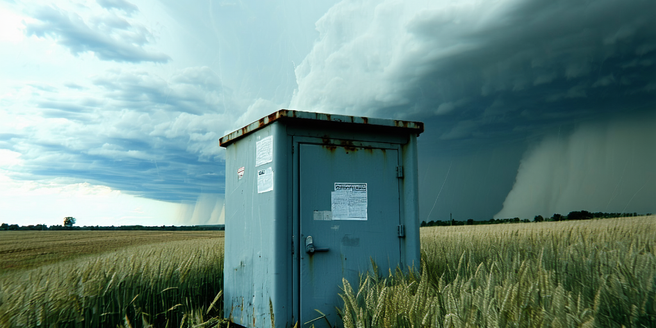
Understanding Storm Shelters and Their Importance
Storm shelters are integral to ensuring safety during inclement weather, particularly in regions prone to tornadoes and severe storms. These structures are specifically designed to withstand extreme wind speeds and flying debris, providing a secure refuge for families. Understanding the importance of storm shelters is crucial for informed decision-making in construction and maintenance. A well-built shelter not only protects lives but also offers peace of mind, knowing that there’s a safe place to retreat to in the event of a weather emergency. As climate change increases the frequency and intensity of storms, having a reliable storm shelter becomes a vital investment in safety. Assessing your personal risk and the type of storms common in your region is the first step in implementing effective shelter construction strategies.
Selecting the Optimal Location for Your Shelter
Choosing the right location for your storm shelter is critical to its effectiveness. Ideally, the shelter should be easily accessible from your home or workplace, reducing the time needed to reach safety in an emergency. Consider placing it in a central location with minimal obstacles. Underground shelters can be located in a basement or a separate outdoor area. Above-ground shelters should be placed on a concrete foundation to ensure stability. Accessibility during bad weather should also be considered; a path that’s easily navigable in rain or debris is essential. Consult local zoning laws and homeowners’ association rules to avoid potential legal issues. Proximity to utility lines should be avoided to minimize the risk of disruption or damage during installation.
Gathering Essential Materials and Tools
Constructing a storm shelter requires specific materials and tools to ensure safety and durability. Begin by sourcing high-strength concrete or steel for the main structure, as these materials provide the necessary resistance against extreme weather forces. You will also need rebar to reinforce concrete walls and ceiling. For tools, a concrete mixer, trowels, and a power drill are essential for assembly. Acquiring quality locks and hinges contributes to secure door installations. Investing in leak-proof sealants and waterproofing materials is crucial to maintain the shelter’s integrity and dryness. Verify all materials meet relevant safety standards and consult specifications for storm-resistant construction. Additionally, ensure you have access to reliable power tools and backup supplies to prevent delays due to equipment failure.
Step-by-Step Construction Guide
Building your storm shelter involves a sequence of carefully planned steps to ensure safety and functionality. Start by marking the construction area, ensuring it’s free of obstacles and readily accessible. Excavate the site if building underground, or lay a foundation for above-ground shelters. Pour the concrete mix into molds to create walls and allow curing for adequate strength. Assemble the steel reinforcements and place them strategically for maximum support. Install doors and secure them with heavy-duty locks and hinges. Apply waterproof sealant to all surfaces to prevent moisture ingress. Ensure proper ventilation by incorporating air vents or filtration systems. Test structural integrity by inspecting the shelter thoroughly. Follow all safety guidelines and building codes rigorously throughout the process. Engage professional assistance if necessary for complex tasks or compliance verification.
Ensuring Safety and Compliance with Local Codes
Adhering to local building codes and safety regulations is essential when constructing a storm shelter. These codes are designed to ensure that shelters are built to withstand the environmental pressures specific to your area. Before beginning construction, consult with local authorities to understand the requirements for permits, materials, and design specifications. Compliance ensures not only legal operation but also that your shelter meets the safety standards essential for protection. Regular inspections by a qualified professional can verify that your shelter remains compliant and address any potential safety issues. Keep documentation handy as proof of compliance, as it may be required for insurance purposes. Staying informed about changes in local laws and regulations concerning shelter construction is vital to maintaining safety and legality.
Tips for Maintaining and Upgrading Your Shelter
Regular maintenance and timely upgrades are key to ensuring your storm shelter remains functional and safe. Begin with conducting routine inspections for structural integrity—look for cracks, leaks, or signs of wear that could compromise safety. Test door locks and ventilation systems frequently to ensure they work properly during emergencies. Upgrades may include installing modern communication systems, backup power supplies, or more advanced filtration systems. Consider enhancing comfort by adding seating, lighting, and emergency supplies within the shelter. Stay informed about advancing storm protection technologies that could benefit your shelter’s performance and safety. Keeping a detailed maintenance log can help track inspections, repairs, and upgrades. Prioritizing regular upkeep not only extends the shelter’s lifespan but also enhances its reliability during critical times.