Apartment Inspection Checklist
Understanding the Importance of Apartment Inspections
Apartment inspections are a fundamental aspect of ensuring tenant safety and property upkeep. During an inspection, potential issues – such as structural damage or safety hazards – can be identified early, allowing for timely repairs and prevention of costly problems. Regular inspections also help maintain the property’s value and contribute to tenant satisfaction by ensuring a safe and well-maintained living environment. Landlords have a responsibility to ensure that apartments meet health and safety standards, and inspections provide a systematic approach to fulfill this obligation. Additionally, inspections can foster better landlord-tenant relationships, as tenants feel assured that their living conditions are being monitored and maintained. It’s crucial to approach inspections not as an inconvenience but as a preventive measure that can ultimately save time and money while ensuring everyone feels secure in their home.
Preparing for Your Apartment Inspection
Preparation is key to a successful apartment inspection. Tenants should be proactive, ensuring their living space is tidy and that any minor repairs or cleaning tasks, like changing light bulbs or vent filters, are addressed prior to the inspection. It’s beneficial for tenants to document any concerns they might have, noting areas needing attention. This not only helps in discussions with landlords but also shows that both parties are committed to maintaining the property. Landlords, on the other hand, should provide tenants with a checklist of items that will be reviewed during the inspection, ensuring transparency and thoroughness. Preparing in advance can reduce stress, making the process smoother and more efficient for everyone involved. Clear communication and readiness can greatly enhance the outcome, ensuring the apartment is in top condition.
Essential Tools for Apartment Inspection
Conducting an apartment inspection without the right tools can lead to overlooked issues. Essential tools include a flashlight for checking dimly lit areas like basements or inside cabinets, a camera or smartphone to document findings, and a notebook or digital device for taking detailed notes. A checklist specifying areas and items to inspect ensures thoroughness and consistency. A tape measure can be useful for checking spaces and ensuring everything is in compliance with regulations. A moisture meter is valuable for detecting leaks or water damage, especially in bathrooms and kitchens. Depending on the scope of the inspection, property managers might also include equipment to test for functionality in smoke detectors, electrical outlets, and plumbing fixtures. Properly equipped, inspectors can efficiently identify and document concerns, leading to well-maintained properties and satisfied tenants.
Exterior Areas to Inspect in an Apartment
Inspecting exterior areas of an apartment is crucial to ensure safety and curb appeal. Begin with the building’s façade, checking for signs of wear like cracked paint, damaged siding, or structural issues. Gutters and downspouts should be inspected for clogs and proper attachment, as water damage can lead to serious problems. Take a look at the roof for any visible signs of damage or missing shingles. Stairwells and handrails need to be secure and free of obstruction, preventing accidents. If the building includes shared outdoor areas, ensure they are well-maintained and safe for residents. This includes sidewalks, patios, and any recreational areas. Exterior lighting should be adequate and functioning, providing both security and convenience. Regular inspection of these areas helps maintain the property’s value and ensures a welcoming environment for tenants and visitors.
Interior Spaces and Features to Check
When inspecting the interior of an apartment, focus on key areas to ensure everything is safe and functional. Begin with checking all electrical outlets for safety and function, ensuring they have no exposed wiring or signs of short circuiting. The plumbing system should be assessed for leaks, ensuring faucets, toilets, and drains operate correctly without signs of water damage. Heating and cooling systems require inspection to ensure efficiency and prevent unexpected breakdowns. Evaluate the condition of floors, walls, and ceilings for signs of cracks, stains, or mold. Safety features like smoke detectors and carbon monoxide alarms should be tested to ensure they are functional. Windows and doors should be checked for proper sealing and function, preventing drafts and security issues. A thorough interior inspection is key to identifying necessary improvements while ensuring tenant comfort and safety.
Documenting and Reporting Inspection Findings
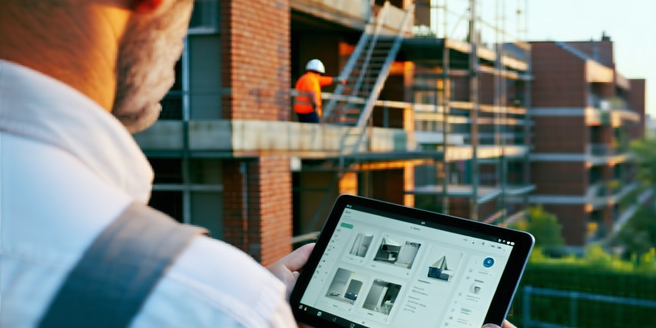
Thorough documentation during an apartment inspection is vital to addressing issues and preventing future problems. Record each area inspected, noting any damages, repairs needed, or areas of concern. Photos provide visual evidence that can be invaluable, offering a clear baseline of conditions at the time of inspection. Utilize inspection software or apps for more streamlined documentation, allowing for easy sharing and organization. Clear reports should be prepared and shared with property owners or landlords promptly, outlining observations and suggested actions. Tenants should receive a copy of the findings to ensure transparency and foster trust. Proper documentation ensures accountability and encourages timely repairs, safeguarding apartment conditions and tenant satisfaction over time. Regular and detailed reporting is key to effective property management, ultimately contributing to a harmonious living environment for all parties involved.