Property Management Apps
Benefits of Using Property Management Apps
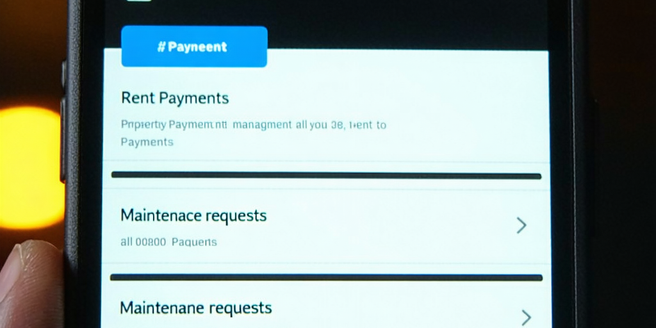
Property management apps offer numerous benefits that streamline operations for landlords and property managers. With these apps, users can manage multiple properties from a single interface, increasing efficiency and reducing time-consuming manual tasks. They also allow for easy tracking of rent payments, lease agreements, and maintenance requests, ensuring that nothing falls through the cracks. Traditional methods, such as spreadsheets or paper files, can lead to errors or lost information. In contrast, property management apps provide real-time updates and notifications, enhancing communication between landlords, tenants, and contractors. Additionally, these apps often feature secure payment gateways, ensuring that transactions are safe and reliable. Overall, using a property management app results in improved organization, enhanced communication, and increased tenant satisfaction, making it an indispensable tool in modern property management.
Key Features to Look for in an App
When selecting a property management app, it’s crucial to look for specific features that align with your needs. The most useful apps offer a comprehensive dashboard that provides an overview of all property-related activities. Integration capabilities with financial software like QuickBooks can streamline accounting processes. Additionally, robust reporting tools are essential to generate important documents such as profit and loss statements, easy-to-understand analytics, and detailed tenant histories. Look for apps that facilitate effective communication, offering chat functions and alert notifications for payments and maintenance. Having a mobile version increases accessibility, allowing landlords and property managers to operate efficiently on the go. Also, consider security features—encryption, user authentication, and regular updates to safeguard sensitive data. By ensuring these features are present, you can select an app that boosts productivity and provides peace of mind.
Top Property Management Apps of 2023
2023 has seen a rise in the development of innovative property management apps designed to meet diverse needs. Among the top contenders is Buildium, known for its comprehensive management tools including maintenance tracking and tenant screening. AppFolio enters the list with its user-friendly interface and mobile app, making management on the go seamless. TenantCloud stands out for offering a free tier, perfect for independent landlords managing a few properties. Cozy, now part of the Apartments.com family, excels in providing a robust platform for rent collection and advertising vacancies. Propertyware is tailored for larger portfolios, featuring custom maintenance workflows and extensive financial reporting options. Each of these apps brings something unique to the table, promising to revolutionize property management by providing essential tools that enhance productivity and tenant satisfaction.
How to Choose the Right App for Your Needs
Choosing the right property management app involves evaluating your specific requirements and how each potential solution addresses them. Begin by considering the size of your portfolio—some apps are tailored for small landlords while others cater to larger enterprises. Determine which features are critical for your operations, such as rent collection, tenant screening, or financial reporting. Also, consider the level of customer support provided by the app’s developers, as timely assistance can alleviate technical issues. Budget is another crucial factor; while some apps are priced per unit managed, others offer flat monthly fees, and assessing these costs in relation to your budget is essential. It’s beneficial to utilize free trials or demonstrations before committing, allowing you to gauge usability and overall fit with your management style. A well-chosen app becomes a valuable asset in optimizing your property management tasks.
Integrating Property Management Apps with Other Tools
Integrating property management apps with other tools streamlines operations and centralizes data management. Most property management apps are compatible with popular accounting software like QuickBooks, ensuring seamless financial tracking and reporting. Automation through these integrations enables synchronized updates across platforms, reducing administrative overhead. Likewise, connecting with CRM tools can enhance tenant communication, offering reminders and notifications about lease renewals or maintenance checks. Some apps also allow integration with payment processing services, facilitating secure and timely rent transactions. Leveraging these connections maximizes the functionality of each tool, creating an efficient workflow where data is consistently accurate and up-to-date. For landlords and managers, such integration means less time spent on manual entry and more focus on strategic decision-making to improve tenant satisfaction and business outcomes.
Future Trends in Property Management Technology
The future of property management technology is poised for exciting trends, driven by advancements in automation, artificial intelligence, and data analytics. AI-powered chatbots are expected to become common, handling tenant inquiries around the clock and providing instant support without human intervention. The use of Internet of Things (IoT) devices for predictive maintenance will reduce property downtime and extend the lifespan of assets. Data analytics will further enhance decision-making by offering insights into market trends, tenant preferences, and property performance. Virtual and augmented reality (VR and AR) could revolutionize property viewings, offering immersive tours of units without physical presence. Moreover, blockchain technology promises to enhance security features, offering tamper-proof methods for lease agreements and transactions. These trends indicate a shift toward more efficient, data-driven property management practices, promising substantial benefits for landlords, tenants, and investors alike.