Upcycling Home Materials
Understanding the Concept of Upcycling
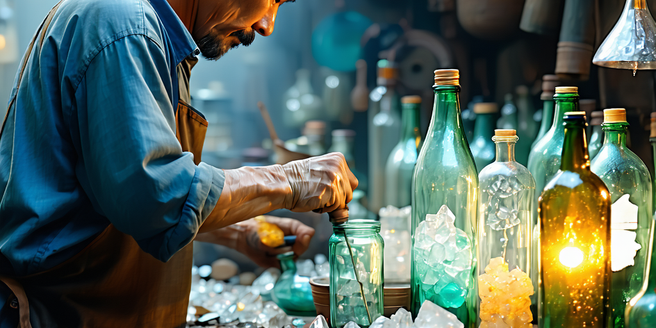
Upcycling is the process of transforming waste materials, useless, or unwanted items into new materials or products of better quality or for better environmental value. It’s a sustainable practice that not only reduces waste but also promotes creativity by repurposing old items. Unlike recycling, which breaks down materials to create something entirely new, upcycling maintains the original integrity of the item while enhancing its value. This concept encourages us to look at old items in a new light, seeking potential and possibilities for revival. By understanding upcycling, individuals can contribute to environmental conservation and take part in a more sustainable approach to consumption.
Benefits of Upcycling for the Environment
Upcycling offers numerous benefits to the environment, addressing issues related to waste management and resource consumption. Firstly, it reduces the amount of waste that ends up in landfills, helping to mitigate landfill overflows and pollution. Secondly, by reusing materials, upcycling curtails the need for new resource extraction, which can lead to habitat destruction and loss of biodiversity. This practice also decreases the energy consumption associated with manufacturing new products. Additionally, upcycling fosters a culture of sustainability and encourages individuals to be more conscious of their consumption patterns. By promoting creative ways to reuse materials, upcycling supports environmental conservation efforts and inspires behavior change towards more responsible resource utilization.
Identifying Common Household Items to Upcycle
Recognizing what household items can be upcycled is the first step towards reducing waste through creative reuse. Many common items found at home have the potential for repurposing. Glass jars can be transformed into decorative candle holders or storage containers. Old furniture, such as chairs and tables, can be refurbished or reimagined into entirely new pieces. Fabrics from old clothing or linens can be sewn into patchwork quilts or used to make shopping bags. Even items like cardboard boxes and tin cans hold potential for upcycling into organizers or garden planters. By identifying such items and envisioning new purposes, individuals can breathe new life into what might otherwise be considered junk. Upcycling at home thus becomes an art of imagination combined with environmental mindfulness.
Creative Ideas for Upcycling Furniture
Furniture offers abundant opportunities for creative upcycling, transforming outdated pieces into stylish, functional items. An old wooden chair might be given a fresh coat of paint, new upholstery, or can be disassembled to make a vibrant garden bench. A dated dresser could find new life as a bathroom vanity or an entertainment center with a few modifications. Reclaimed wood from unused furniture can be crafted into unique shelving units or rustic picture frames. Even tired coffee tables can be revamped with mosaic tiles or vinyl decals. These creative endeavors not only prolong the life of furniture but also offer a chance to personalize pieces to fit one’s aesthetic taste. Upcycling furniture challenges us to think innovatively about preservation and style.
Step-by-Step Guide to Upcycling Projects
Embarking on an upcycling project requires careful planning and creativity. Begin by selecting an item you want to upcycle and envision what you’d like it to become. Gather all necessary materials and tools such as paints, brushes, adhesives, and fabric if required. Clean and prep the item by sanding any rough surfaces and removing dirt. Sketch a design plan, considering color schemes and patterns. As you start transforming the item, be patient and flexible with your vision. Sometimes items evolve in unexpected ways, leading to creative solutions. Finish with protective coatings if needed and appreciate the unique character of your creation. Whether a small frame or a piece of furniture, the step-by-step process of upcycling can be rewarding and fulfilling.
Showcasing Your Upcycled Creations at Home
Displaying your upcycled creations can add a personalized charm to your living space. Start by identifying key areas in your home where these pieces can shine. For example, an upcycled bookshelf might become a focal point in your living room, while repurposed jars as vases can add a touch of creativity in your dining area. Mix and match with existing decor to create a cohesive aesthetic. Lighting can also play a pivotal role in highlighting the details and craftsmanship of your pieces. Document your upcycled projects and share them through social media or local community events to inspire others. Embracing upcycled creations not only enhances the uniqueness of your home but also tells a story of sustainability and innovation.