How To Research Neighborhood Safety
Understanding Crime Statistics
When exploring neighborhood safety, one crucial component is understanding crime statistics. These statistics provide insights into patterns and trends that could impact your decision to move to or stay in a particular area. Accessing such data can often be done through local police department websites or through national databases provided by governmental agencies. However, it’s vital to not just look at the numbers but to delve deeper into what they mean. Consider the types of crime reported, the times they occur, and any noted changes over time. Such analysis can reveal whether a neighborhood is getting safer or more dangerous. Additionally, comparing crime statistics from various neighborhoods can help provide a broader context to what the numbers mean. Always remember, however, that statistics may not fully represent the broader social dynamics at play.
Exploring Local Law Enforcement Resources
When investigating neighborhood safety, leveraging local law enforcement resources is essential. Police departments often have dedicated community liaison officers who offer insights into various neighborhood concerns. These officers can provide information regarding the common types of crime in the area and advice on preventive measures. Many departments also host community meetings or open forums where residents can raise concerns or ask questions. Attending these events can offer firsthand insights into how law enforcement views neighborhood safety. Additionally, law enforcement agencies may have publications or online resources, such as crime maps or safety tips, available for public use. These resources are invaluable for getting a sense of the priority issues in your neighborhood. It’s equally important to establish lines of communication with local officers, as they can serve as a valuable resource.
Using Online Safety Tools and Apps
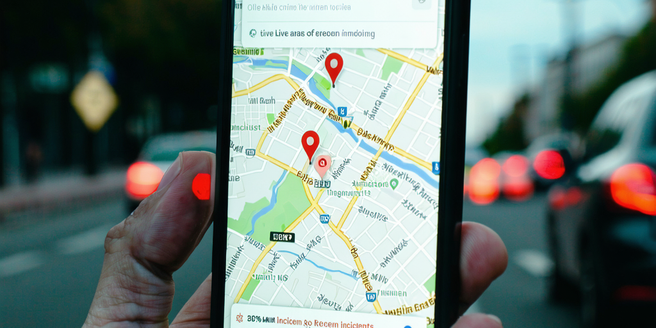
In the digital age, using online safety tools and apps can provide valuable insights into neighborhood safety. Many applications offer real-time crime alerts, safety ratings, and detailed neighborhood reports. These tools often collate data from police reports, news sources, and social media to deliver a comprehensive safety overview. Users can set parameters to receive alerts about specific types of incidents in their area, enabling them to stay informed about potential risks. Some apps also offer community forums where residents can discuss safety concerns and share firsthand experiences. Analyzing trends reported by these tools over time can help identify emerging patterns and potential safety threats. However, while these digital resources are helpful, they should complement, not replace, direct engagement with local residents and law enforcement for a rounded understanding.
Engaging with Community Forums and Social Media
Community forums and social media platforms can serve as an excellent resource for understanding neighborhood safety from the insiders’ perspective. Local Facebook groups, Reddit communities, and neighborhood-specific discussion boards often have active discussions about ongoing safety concerns. These platforms provide firsthand accounts of incidents that may not be reported in official crime reports. Engaging with these communities can help identify recurring concerns, rumor control, and the overall sentiment among residents. Additionally, community forums often serve as a voice for those who may not feel comfortable or experienced in formal settings. However, it’s essential to approach these resources with a critical mind, as information shared may be subjective or anecdotal. Engage actively by asking questions and corroborating information with other sources to form an informed opinion.
Assessing Community Amenities and Services
Community amenities and services play a significant role in the overall perception of neighborhood safety. Well-maintained public spaces, such as parks and recreational areas, suggest an active community investment, which usually correlates with safer environments. Public services like street lighting, public transportation, and sanitation directly impact daily safety perceptions. Evaluating the availability and quality of amenities like local health centers, schools, and community centers can provide additional context about neighborhood priorities and resources. A neighborhood with strong social services infrastructure often indicates an active local government presence focused on community welfare. The presence of community initiatives, volunteer programs, and neighborhood watch groups further reflect a community’s commitment to safety and well-being. When eyes remain attentive to the overall landscape, it provides a glimpse into what residents value.
Conducting Personal Visits and Observations
Personal visits to a neighborhood offer invaluable insights into its safety that statistics alone may not capture. Observing daily life can provide a tangible sense of the area’s atmosphere. Pay attention to the upkeep of homes, conditions of public spaces, and activity levels at different times of the day. Chat with locals if possible, as they can offer personal insights and experiences that might not be reflected in data. It’s also useful to note community activities or events scheduled during your visits; these can indicate the neighborhood’s vibrancy and sense of community. A walk around in the evening could also reveal how well-lit and populated the areas are for pedestrian traffic, giving a practical sense of safety. Remember, direct experience is a powerful tool in assessing how comfortable you might feel within a new community.