How To Appeal Rent Increases
Understanding Rent Increase Notices
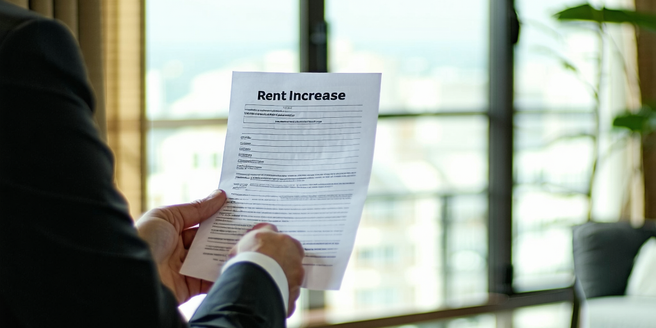
Rent increase notices are formal communications from landlords indicating an upcoming change in rent. Understanding these notices is crucial to determine their legitimacy and compliance with local laws. Typically, landlords must provide written notice within a specified time frame before the increase takes effect, often ranging from 30 to 60 days, depending on the jurisdiction. Recognizing the type, frequency, and size of the acceptable increase is vital. Local rent control or stabilization laws may impose limits, providing tenants with protections against excessive hikes. Carefully reviewing the notice can ensure it includes necessary information, such as the effective date and the new rent amount. If something seems amiss, tenants have the option to question the increase’s legality by consulting local tenant advocacy groups or housing authorities.
Legal Grounds for Challenging Rent Hikes
Challenging a rent hike legally requires a tenant to establish that the increase is unwarranted or unlawful. Key legal grounds often include failure to provide proper notice, exceeding the limits set by local rent control laws, discrimination, or retaliatory motives for the increase. Discrimination can manifest if the increase targets specific tenant categories without justification. Retaliation may occur if the hike follows complaints about habitability or requests for repair. Tenants may gather evidence of these grounds and present them to local housing agencies or file complaints. Understanding the legal framework governing rent increases in a tenant’s location is crucial. Consulting with a legal advisor or tenant rights attorney can also provide tailored advice on the best course of action and if the case merits legal proceedings.
Gathering Evidence to Support Your Case
Building a strong case against a proposed rent increase necessitates gathering substantial evidence. Start by collecting copies of the original lease agreement and any relevant rent payment receipts. Documentation of all communications with the landlord, whether emails or written correspondences about the increase, is essential. Review whether similar units in your building have faced identical hikes, suggesting uniformity or targeting. Photographs or logs that validate your claims of retaliation, such as recent maintenance complaints you’ve filed, can be especially persuasive. An expert opinion on the prevailing market rate for comparable units may further reinforce your stance. All gathered evidence should be organized systematically. This structured portfolio serves to underscore the legitimacy of your challenge, ensuring you’re well-prepared should the matter proceed to mediation or arbitration.
Writing a Formal Appeal Letter
When contesting a rent increase, drafting a well-structured formal appeal letter is pivotal. Begin with a polite but assertive tone, introducing yourself and referring to the rent increase notice received. Highlight the areas of concern, such as non-compliance with local rent regulation statutes or insufficient notice. Emphasize any discrepancies by offering comparisons with similar complexes or market evaluations. Documenting your history as a responsible, timely tenant can underscore credibility and fairness in the appeal process. Clearly request a revision of the proposed terms or a meeting with your landlord to discuss possible adjustments. Reiterate your willingness to find amicable resolutions. A professional and respectful appeal letter not only serves as a record for your communications but also may positively influence the landlord into reconsidering or discussing the agreement terms.
Seeking Mediation or Arbitration Services
Turning to mediation or arbitration can be invaluable when direct negotiations stall. Mediation involves a neutral third-party facilitator aiding both parties in reaching an amicable agreement, while arbitration delivers a binding decision after both sides present evidence. Many local housing authorities or tenant advocacy organizations offer these services. The mediator or arbitrator usually has extensive experience in rent disputes, providing insights into feasible compromises or judgments. Participating in these processes requires preparedness, including a complete dossier of documentation and clear articulation of your case’s merits. Some regions may mandate mediation or arbitration before legal proceedings, highlighting their importance. Embracing these avenues not only aids in avoiding costly litigation but often results in more satisfactory outcomes for both landlords and tenants, maintaining tenant rights while ensuring landlords’ compliance with legal frameworks.
Preparing for a Rent Control Board Hearing
Approaching a rent control board hearing requires comprehensive preparation to effectively contest a rent increase. Start by thoroughly reviewing all relevant notices, lease agreements, and jurisdiction-specific rent regulations. Compile evidence to support your claim, including any comparative rent analyses, previous rent control board decisions, and testimonies if applicable. Witnesses, such as fellow tenants experiencing similar increases, may corroborate broader issues within the property. Knowledge of the hearing’s procedural nuances is essential; arrive equipped to clearly present your case within any specified formats or time constraints. Familiarize yourself with typical board questions, tailoring responses to highlight key defensible points. The goal is to convincingly establish that the proposed increase is unjust or non-compliant with prevailing guidelines. Demonstrating strong, well-documented, and logical arguments increases the likelihood of a favorable resolution.